Tech Industry Demand and Its Impact on Austin Commercial Real Estate
Austin's commercial real estate market doesn't move in isolation. The technology sector has been its single most consequential demand driver for the past decade, reshaping office corridors, inflating industrial absorption, and pulling retail investment into submarkets that barely registered on investor radar a generation ago. Understanding that relationship is essential for any business buyer evaluating an Austin acquisition or lease today.
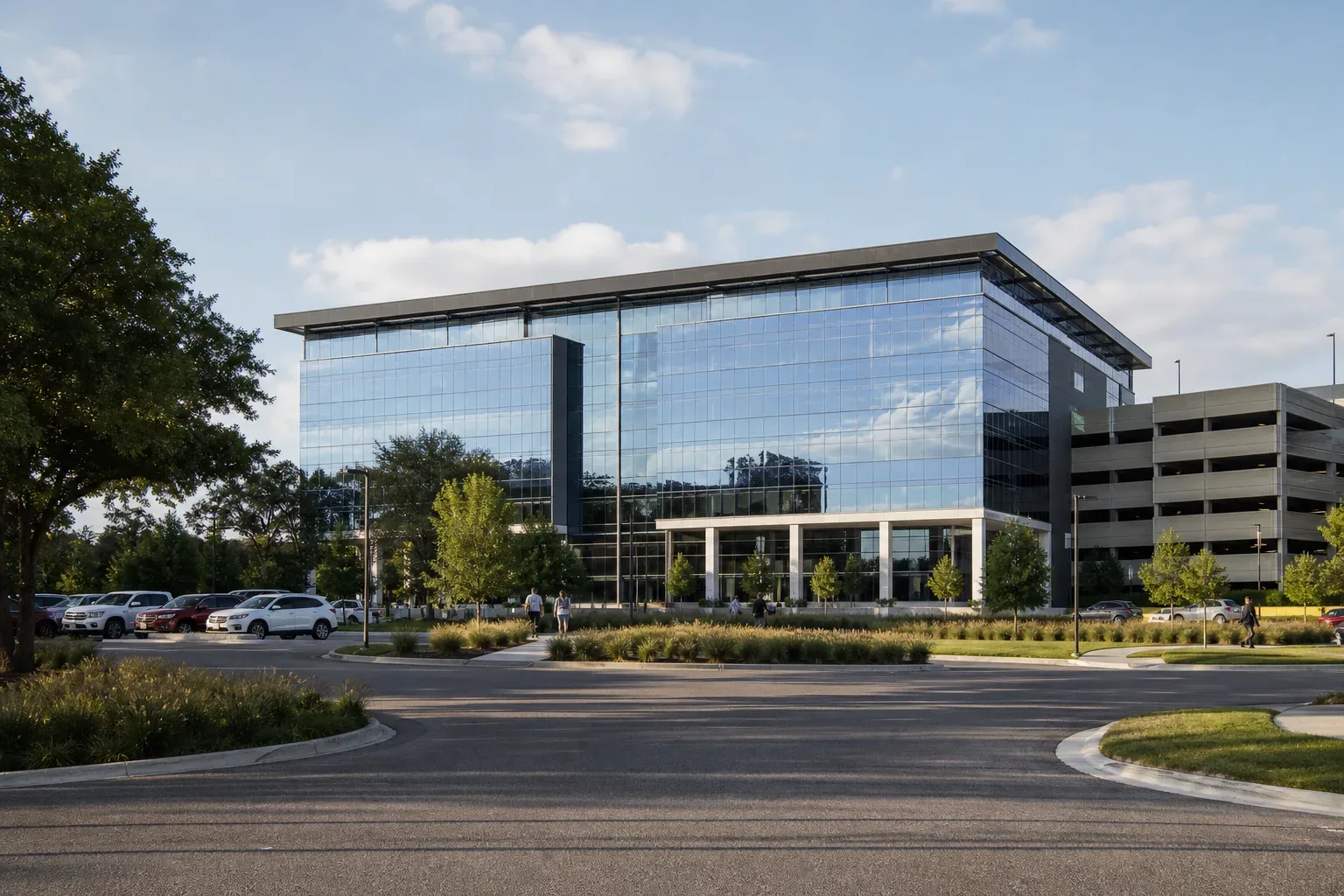
How Has Tech Industry Affected Austin Real Estate
The tech sector's expansion compressed vacancy, drove Class A rents upward, and triggered a development pipeline that now defines the metro's skyline. Apple's 133-acre campus in North Austin, Tesla's Gigafactory in the eastern metro, Oracle's waterfront headquarters, and significant footprints from Google, Meta, and Samsung collectively account for millions of square feet of occupancy demand. That concentration of high-wage employees generates secondary demand: multifamily housing near campuses, retail corridors serving dense professional populations, and flex and warehouse space for hardware logistics and prototype manufacturing.
The effect on pricing has been direct. Class A office rents in the Austin metro currently run $45–$65 per square foot per year on a full-service gross basis, with the CBD and the Domain submarket sitting at the higher end of that range. Class B properties land between $28–$44 per square foot. Those figures reflect a market where tenants are increasingly sophisticated, lease terms are scrutinized clause by clause, and landlords with tech-ready infrastructure command a premium.
Vacancy tells a more complicated story. Metro-wide office vacancy sits at roughly 20–25%, a figure that masks a sharp split between newer, amenity-rich buildings and older stock that tech tenants consistently pass over. Buyers need to distinguish between challenged assets and well-leased properties anchored by technology occupants on long-term leases.
Tech Company Impact on Austin Commercial Property
Technology firms impose specific physical requirements that translate directly into asset values. High-density open floor plates, fiber redundancy, above-standard HVAC capacity for server infrastructure, and large common areas for collaboration all affect which buildings attract tech tenants and which sit vacant. A 1990s suburban office park without significant capital investment rarely competes, regardless of price.
Flex space has benefited enormously. Industrial and flex rents metro-wide run $10–$18 per square foot per year on a triple net basis, with flex inventory skewing toward the upper end of that range. Hardware startups, robotics firms, and semiconductor-adjacent businesses need square footage that can function as both lab and office. The Austin industrial market spans approximately 100–120 million square feet, and demand from tech-adjacent users has kept absorption rates competitive even as new supply has come online.
Retail follows tech employment density. South Congress, the Domain, and East Sixth Street corridors all saw accelerated retail investment as tech payrolls grew. Retail rents in high-demand corridors can exceed the metro-wide range of $25–$55 per square foot per year NNN, reflecting the purchasing power concentrated in neighborhoods with significant tech employment.
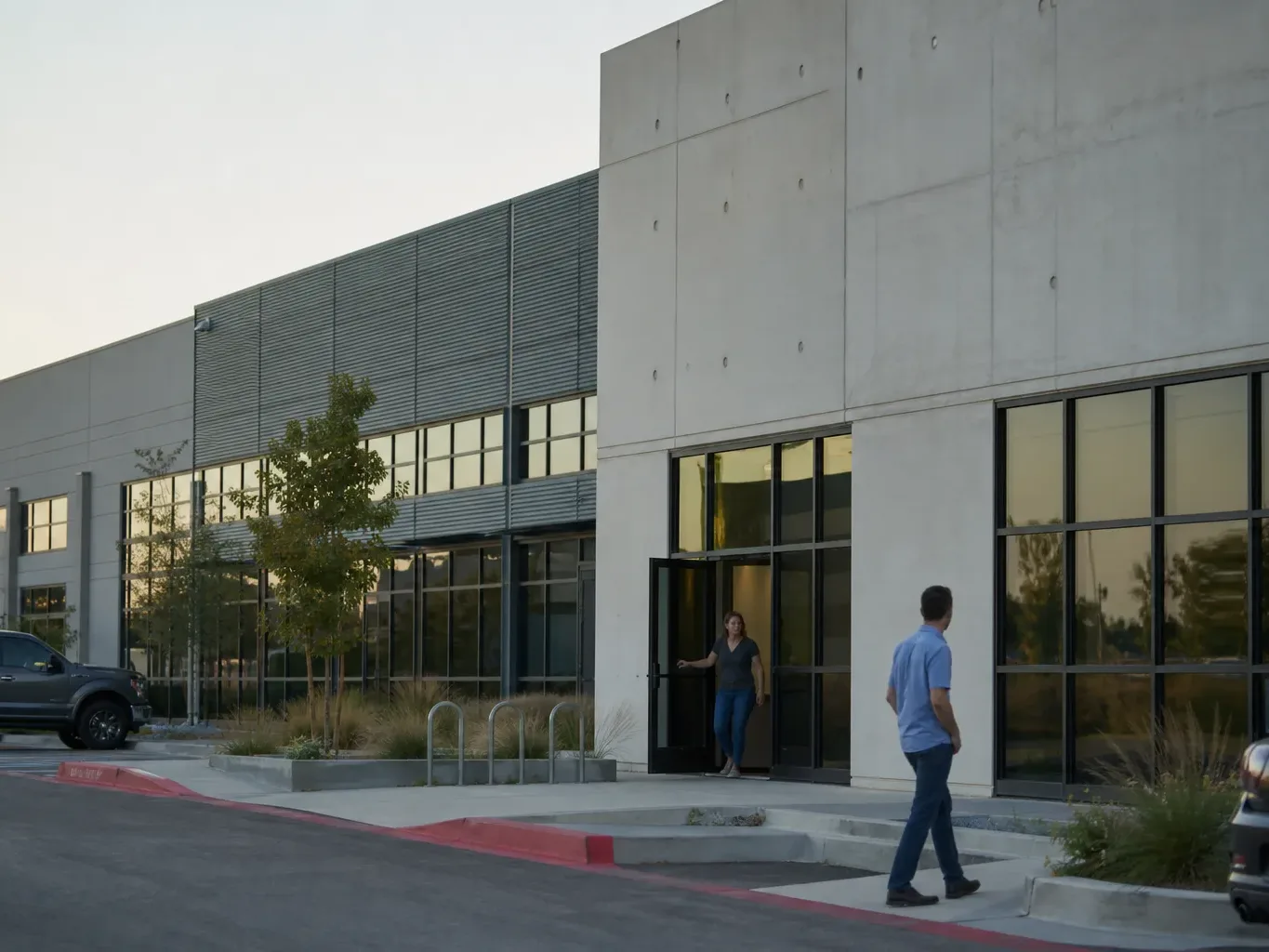
Tech Headquarters Austin Commercial Real Estate Demand
Major tech headquarters relocations created dense demand nodes that reshaped submarket pricing almost overnight. Oracle's move from Redwood City to Austin in 2021 and Apple's ongoing campus build-out in North Austin both illustrate how a single large occupant can anchor an entire submarket. Surrounding blocks see rent compression from both increased demand and the improved perception of the area's tenant quality.
For business buyers, the lesson is submarket selection. Properties within a two-mile radius of an established tech headquarters tend to carry stronger occupancy histories, shorter re-leasing periods, and more predictable cap rate behavior. Austin commercial cap rates generally run 5.0%–7.5% depending on asset class and location, with office and retail skewing toward the higher end and industrial and multifamily skewing lower. A well-leased office building adjacent to a major tech campus can justify cap rate compression toward the lower bound of that range because the tenant pipeline is demonstrably deeper.
Investors pursuing Opportunity Zone assets should note that Austin's federally designated zones are concentrated primarily in Eastern Travis County and parts of the urban core. Some of these zones overlap with emerging tech corridors, particularly around the eastern industrial and flex inventory that hardware-focused startups have been absorbing.
Evaluating a Tech-Anchored Asset
Due diligence on tech-occupied commercial property requires attention to a few specifics that don't appear in a standard underwriting checklist. First, review the tenant's lease expiration schedule against the company's public real estate announcements. Second, assess the building's power infrastructure: tech tenants typically require 150–200 watts per square foot for dense workstations and server closets, and aging electrical systems are a capital expenditure liability. Third, verify parking ratios.
High-density tech tenants often push well above the 4:1,000 square feet standard, which creates friction at lease renewal.
Due diligence periods for most Austin commercial transactions run 30–60 days, with larger or more complex assets sometimes warranting up to 90 days. Tech-anchored buildings with multiple operating systems or complex lease structures benefit from the full extended period.
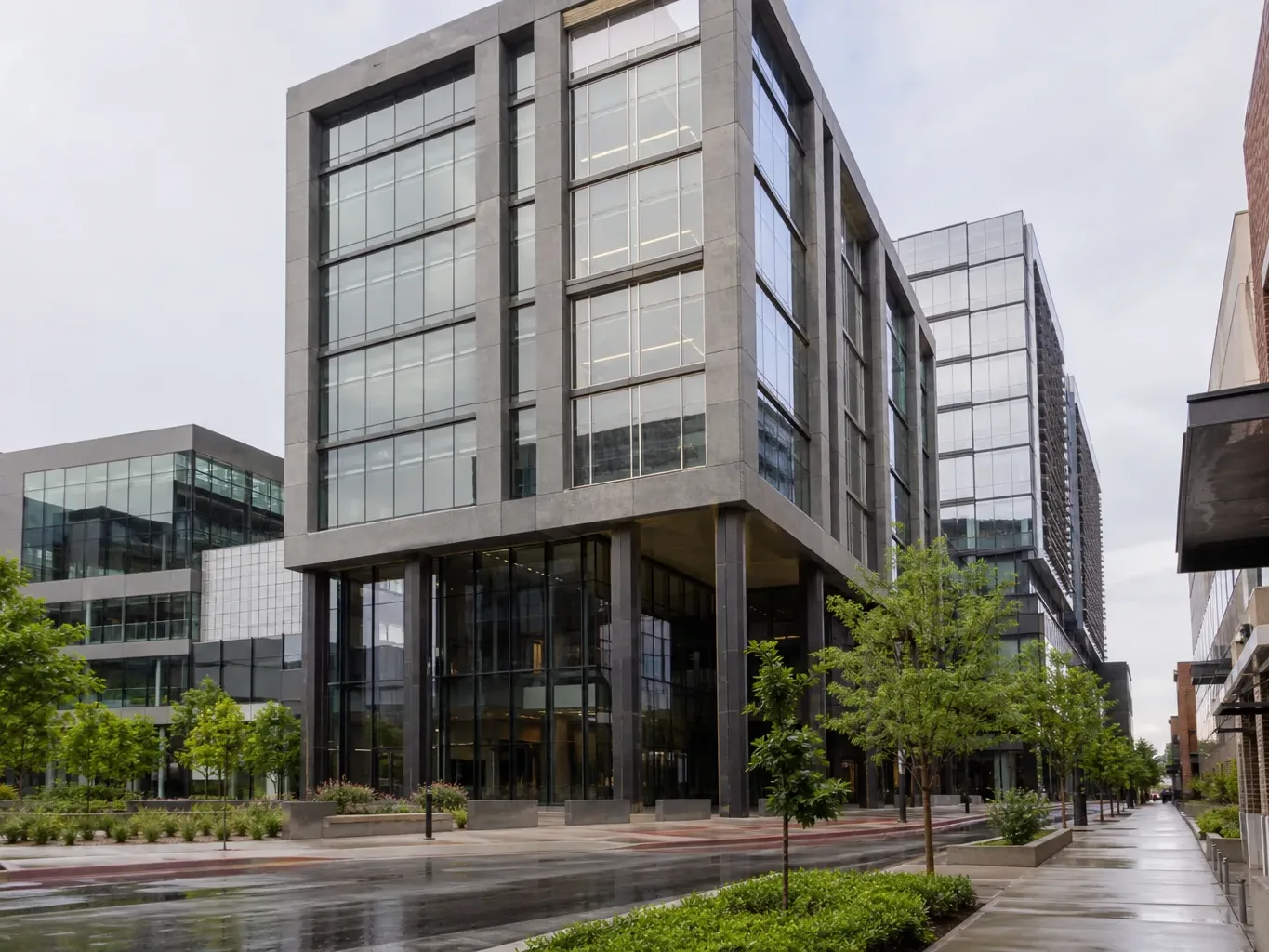
Does Tech Industry Drive Austin Office Space Demand
The technology sector is the primary engine of net office absorption in Austin, even accounting for elevated vacancy across the metro. Speculative construction that accelerated between 2019 and 2023 delivered significant new inventory, and not all of it has leased at the pace developers projected. But the buildings that are performing, meaning achieving low vacancy and above-market rents, are almost uniformly those with tech tenants on their rent rolls.
The Austin metro's population of approximately 2.3 million people reflects a growth trajectory driven in large part by tech-sector employment relocations and expansions. Austin has ranked among the top five fastest-growing large metros in the U.S. at peak growth, adding roughly 100,000–150,000 residents per year across the MSA. That population base creates persistent demand for the full stack of commercial assets, from the office towers where tech workers spend their days to the logistics facilities that support the e-commerce and hardware businesses those workers build.
For office space specifically, the question for buyers is less whether tech drives demand and more which segments of tech currently hold the strongest leasing activity. In Austin's current cycle, mid-size technology companies in the 10,000–50,000 square foot range have been more active than headline occupants, filling Class A and high-end Class B floors in the CBD and Domain submarkets. These tenants tend to sign five-to-seven year leases with options, making them attractive to income-focused buyers who need predictable hold-period cash flows.
Reading the Market as a Business Buyer
Tech sector demand in Austin is real, durable, and unevenly distributed. The assets that benefit most are those built after 2010, positioned within established tech submarkets, and capable of meeting the physical specifications that technology tenants require. Buyers willing to do granular submarket analysis rather than relying on metro-level averages will find pricing discrepancies worth pursuing.
Lease structure matters as much as location. Triple net leases transfer property taxes, insurance, and maintenance costs to the tenant, creating cleaner cash flows for investors. Gross leases consolidate those costs under the landlord's umbrella. Modified gross arrangements split expenses under negotiated terms.
Tech tenants frequently push for modified gross structures in newer buildings, so buyers should model each scenario explicitly rather than defaulting to a single lease type assumption.
The combination of a deep tech employment base, ongoing campus expansions from established names, and a steady pipeline of growth-stage companies makes Austin's commercial market one of the most scrutinized in the country. PwC/ULI Emerging Trends has consistently ranked Austin among the top 10 U.S. markets for commercial real estate investment activity, and that ranking reflects the structural demand the tech industry continues to generate.
Frequently Asked Questions
How Has Tech Industry Affected Austin Real Estate?
The tech sector has been Austin's dominant commercial demand driver, compressing vacancy in quality office buildings, pushing Class A rents to $45–$65 per square foot per year, and generating secondary demand for flex space, retail corridors, and multifamily housing near major campuses. Major employers including Apple, Tesla, Oracle, Google, Meta, and Samsung collectively account for millions of square feet of occupancy across the metro.
What Is the Tech Company Impact on Austin Commercial Property?
Tech companies raise the physical bar for buildings they will consider, requiring dense power infrastructure, fiber redundancy, large collaborative floor plates, and above-standard HVAC. Properties that meet these specs attract stronger tenants and command higher rents, while older suburban stock without capital upgrades struggles to compete regardless of asking price.
How Does Tech Headquarters Activity Affect Austin Commercial Real Estate Demand?
Headquarters relocations and campus build-outs, such as Oracle's move from Redwood City and Apple's North Austin expansion, create dense demand nodes that reshape submarket pricing within a two-mile radius. Buildings near established tech campuses tend to carry shorter re-leasing timelines and can justify lower cap rates because the tenant pipeline is demonstrably deeper than in peripheral submarkets.
Does the Tech Industry Drive Austin Office Space Demand?
Yes. The tech sector is the primary engine of net office absorption in Austin. Despite metro-wide vacancy of roughly 20–25%, well-located Class A and high-end Class B buildings with tech tenants consistently outperform the broader market. Mid-size technology companies in the 10,000–50,000 square foot range are currently among the most active leasing groups in the CBD and Domain submarkets.
Which Austin Submarkets Benefit Most from Tech Industry Demand?
The Domain in North Austin and the CBD see the strongest tech-driven office demand, with rents at the upper end of the $45–$65 per square foot Class A range. Eastern Travis County, including parts designated as federal Opportunity Zones, is absorbing flex and industrial demand from hardware startups and semiconductor-adjacent firms, with rents in the $10–$18 per square foot NNN range for that asset class.