Leasing Commercial Space in Austin TX - A Tenant's Guide
Why Austin's Commercial Market Demands Preparation
Austin's commercial real estate market ranks consistently among the top 10 in the U.S. for investment activity and development pipeline, according to PwC/ULI Emerging Trends surveys. That momentum creates real competition for quality space, particularly in the CBD and the Domain submarket. Office vacancy across the metro sits at roughly 20–25%, which sounds tenant-friendly, but the best-located, move-in-ready suites still attract multiple offers. Going in without a clear brief and a local broker puts you at a disadvantage from day one.

Understanding Lease Structures Before You Tour
The lease type defines your actual occupancy cost, and Austin landlords use all three main structures depending on asset class and submarket.
Triple Net (NNN)
Under a Triple Net lease, you pay base rent plus property taxes, insurance, and maintenance costs separately. Industrial and retail landlords in Austin favor this structure. Industrial space in the metro runs $10–$18 per sq ft per year NNN, while retail on high-demand corridors like South Congress can reach $55 per sq ft per year or higher on that same NNN basis.
Gross Lease
A Gross lease means you pay a single all-inclusive rent and the landlord covers taxes, insurance, and most operating expenses. Class A office buildings frequently use full-service gross pricing. In Austin's CBD and Domain, Class A office rents on a full-service gross basis range from $45–$65 per sq ft per year.
Modified Gross
A Modified Gross lease splits operating expenses between tenant and landlord under negotiated terms. It falls between NNN and full gross, and the exact division varies deal to deal. Always clarify which line items you carry before signing.
Setting a Realistic Space Budget
Class B office space, popular with mid-size professional services firms, runs $28–$44 per sq ft per year across the Austin metro. Class C product, often older suburban stock, trades at $18–$27 per sq ft per year, though that is frequently quoted NNN rather than gross, so confirm the structure before comparing numbers directly.
Beyond base rent, budget for tenant improvement allowances, security deposits (typically two to three months' rent in Austin), moving costs, and any technology or permitting expenses. A 5,000 sq ft office at $40 per sq ft gross already costs roughly $200,000 annually before any of those line items.
How to Define Your Space Requirements
Start with headcount and a realistic growth projection for the lease term. Standard office density runs 150–250 sq ft of rentable area per person in Austin's current market. Note the difference between usable square footage, the space your team actually occupies, and rentable square footage, which includes a proportional share of common areas. That add-on factor varies by building but can meaningfully affect your effective cost per person.
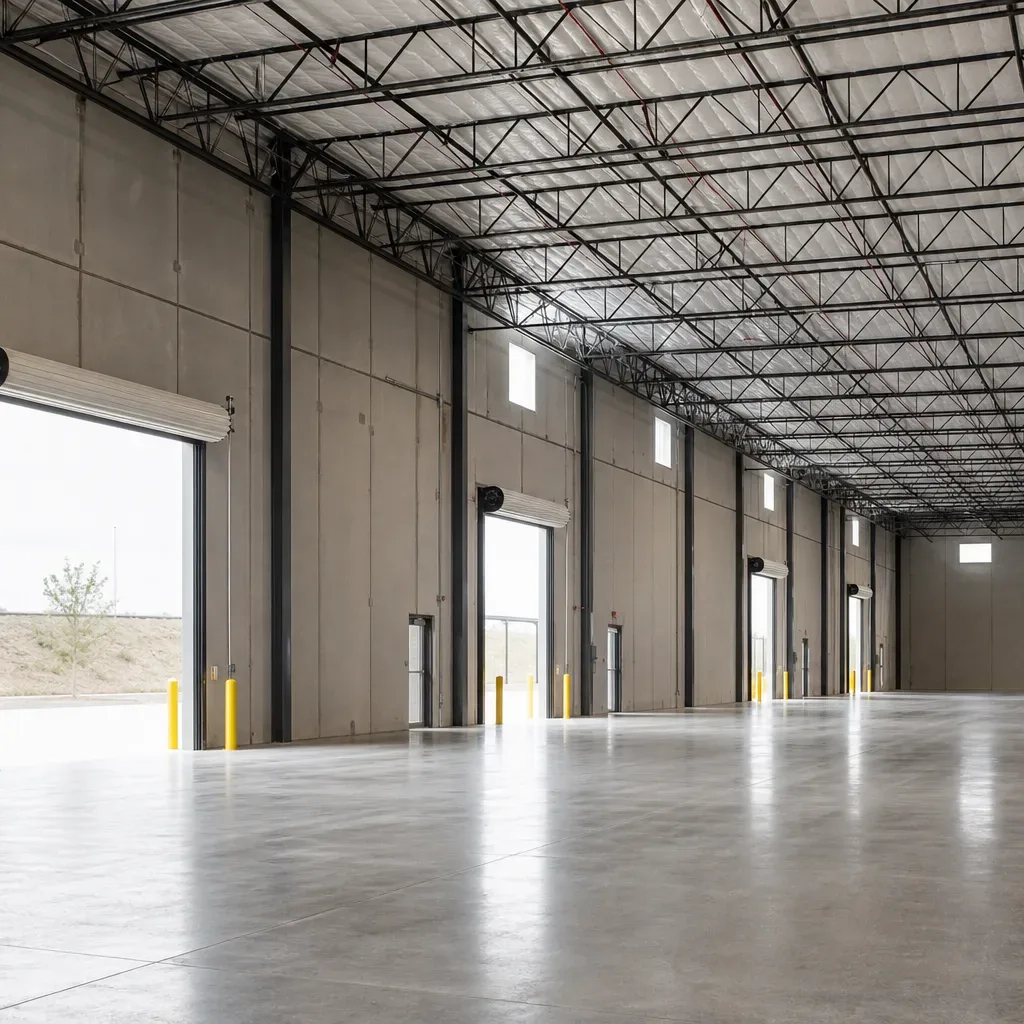
For retail tenants, traffic count, visibility from the street, and parking ratio matter as much as the raw square footage. Industrial users should assess clear height, dock doors, and power capacity early, before spending time on a tour. The metro's industrial inventory spans approximately 100–120 million sq ft, with flex space concentrated in submarkets such as North Austin and Pflugerville.
The Site Selection and Negotiation Process
Engage a Tenant Representative Early
A tenant rep broker is compensated by the landlord in virtually all Austin commercial transactions, so there is no direct cost to you for professional representation. Their value is access to off-market availabilities, current comp data, and the leverage that comes from knowing what comparable tenants paid last quarter.
Letter of Intent Before the Lease
Once you identify a target space, the process moves to a Letter of Intent (LOI). The LOI is non-binding but sets the framework: base rent, rent escalations, lease term, tenant improvement allowance, free rent period, and any options to renew or expand. Negotiate hard at the LOI stage. Once you move to a full lease draft, redlines become more expensive and more contentious.
Due Diligence and Lease Review
Commercial due diligence in Austin typically runs 30–60 days for standard transactions. Use that window to inspect the physical space, review operating expense reconciliations from prior years, and have a commercial real estate attorney review the lease. Key clauses to scrutinize include personal guarantee scope, assignment and subletting rights, co-tenancy provisions in retail leases, and holdover rent penalties.
Common Mistakes Austin Tenants Make
Signing a lease that starts immediately rather than negotiating a free-rent period for buildout is the most costly error for office and retail tenants. Most Austin landlords will grant 30–90 days of free rent on a five-year lease if the tenant simply asks during LOI negotiations.
Another frequent misstep is underestimating the time between lease execution and occupancy. Permitting in Austin can add six to twelve weeks to a buildout schedule depending on scope and jurisdiction. Build that buffer into your existing lease exit plan.
Tenants also overlook renewal option notice windows. A clause requiring 9–12 months' advance notice to exercise a renewal option can expire quietly, leaving you negotiating from a weak position. Calendar every critical date the day your lease is fully executed.
Submarkets Worth Knowing
The Domain in North Austin functions as a second CBD, with Class A rents reflecting that status. Round Rock and Cedar Park offer Class B inventory at lower price points, useful for back-office or call-center operations. East Austin has seen significant creative office development, with modified gross structures common in converted industrial buildings. South Congress and the Rainey Street corridor command retail premiums that can exceed the standard market range, driven by foot traffic and brand visibility.
For businesses that need proximity to Austin-Bergstrom International Airport or regional distribution access, Southeast Austin submarkets offer industrial product at the lower end of the NNN range, with newer flex buildings trending toward the higher end of $18 per sq ft.
Incentives and Lease Concessions Available Now
With metro-wide office vacancy sitting at 20–25%, tenants have meaningful negotiating leverage on concessions. Tenant improvement allowances of $50–$80 per sq ft are achievable on longer-term leases in competitive submarkets. Landlords with older Class B inventory are more flexible on allowances and free-rent periods than they were three years ago.
Austin also contains federally designated Opportunity Zones, concentrated primarily in Eastern Travis County and parts of the urban core. If your business involves a capital investment component alongside the lease, an Opportunity Zone location could pair lease economics with tax deferral benefits. Consult a qualified tax advisor before structuring anything around that designation.
For companies evaluating Austin as a growth market alongside Apple, Tesla, Samsung, Google, Meta, and Oracle, which have all established significant presences here, the right lease decision starts with precise space programming, a well-timed LOI, and a broker who has closed transactions in your target submarket within the past 12 months.
Frequently Asked Questions
What Are the Main Commercial Space Leasing Options in Austin TX?
Austin tenants can choose between Triple Net (NNN) leases, where you pay base rent plus taxes, insurance, and maintenance separately; Gross leases, where a single all-inclusive payment covers operating expenses; and Modified Gross leases, which split expenses under negotiated terms. Office buildings in the CBD and Domain typically use full-service gross structures, while retail and industrial landlords favor NNN. The right structure depends on your asset class, budget predictability needs, and the specific submarket you're targeting.
How Much Does It Cost to Lease Office Space in Austin?
Class A office space in Austin runs $45–$65 per sq ft per year on a full-service gross basis, with CBD and Domain submarkets at the higher end. Class B space averages $28–$44 per sq ft per year, and Class C older suburban product falls between $18–$27 per sq ft per year, often quoted NNN rather than gross. Always confirm the lease structure before comparing rents across listings, since a NNN quote and a gross quote at the same number represent very different actual costs.
How Long Does the Commercial Leasing Process Take in Austin?
From initial search to signed lease typically takes 60–120 days for mid-size tenants in Austin, depending on availability and negotiation complexity. Due diligence alone runs 30–60 days on most standard transactions. If a buildout is required, add another six to twelve weeks for permitting and construction before occupancy, and negotiate a free-rent period to cover that gap so you're not paying rent on a space you can't yet use.
What Lease Concessions Can Tenants Negotiate in Austin Right Now?
With office vacancy at roughly 20–25% across the metro, tenants have real leverage. Tenant improvement allowances of $50–$80 per sq ft are achievable on five-year-plus leases, particularly in Class B buildings where landlords are more motivated. Free-rent periods of 30–90 days are standard asks during LOI negotiations. Retail and industrial landlords are also more flexible on lease term length and early termination options than they were during the tighter market of a few years ago.
Do I Need a Broker to Lease Commercial Space in Austin?
Using a tenant representative broker costs you nothing directly, since the landlord pays the commission in virtually all Austin commercial transactions. The practical benefit is access to off-market listings, recent comparable lease data, and a negotiator who understands local market norms. Tenants who go direct to listing brokers often pay more and receive fewer concessions, because the listing broker represents the landlord's interests, not theirs.