Industrial Real Estate in Austin - Warehouses, Flex Space, and Distribution Centers
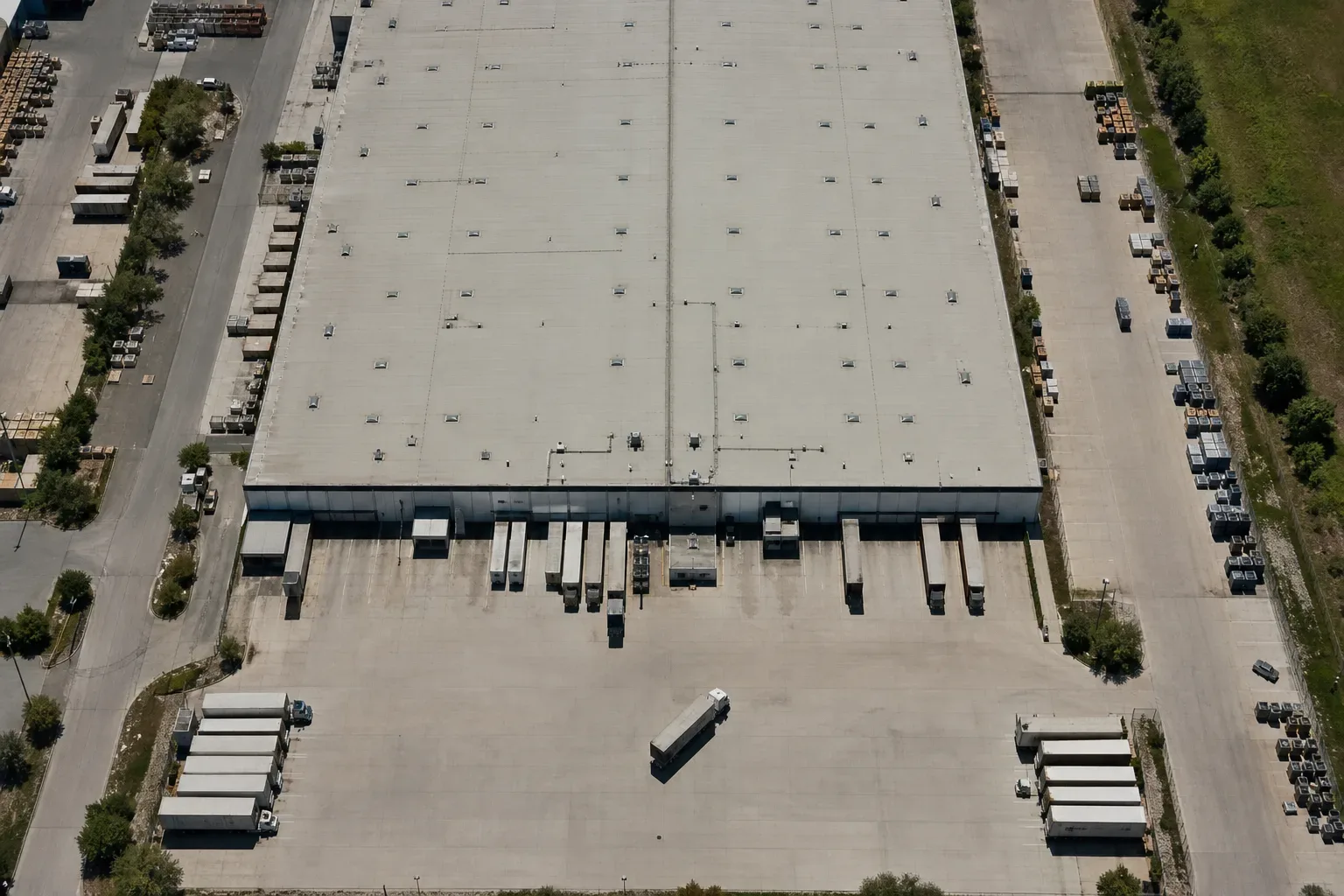
The Industrial Real Estate Market in Austin Texas
Austin's industrial sector has grown into one of the most active in the Sun Belt, supported by a metro population of approximately 2.3 million and a manufacturing and logistics base tied directly to major tech and automotive investment. The metro now holds roughly 100–120 million square feet of industrial inventory, spread across established corridors in the southeast, north, and northeast. Vacancy has remained tighter in industrial than in other asset classes, making Austin consistently attractive to investors and occupiers who want exposure to a high-growth market.
According to sources including CBRE and ULI's Emerging Trends in Real Estate, Austin ranks among the top 10 U.S. markets for commercial real estate investment activity, and industrial demand has been a primary driver of that ranking. Companies in semiconductor manufacturing, e-commerce fulfillment, cold storage, and light assembly have all expanded their Austin-area footprints in recent years. That diversity of demand gives the industrial sector resilience that single-sector markets often lack.
Where Is Industrial Real Estate in Austin Texas
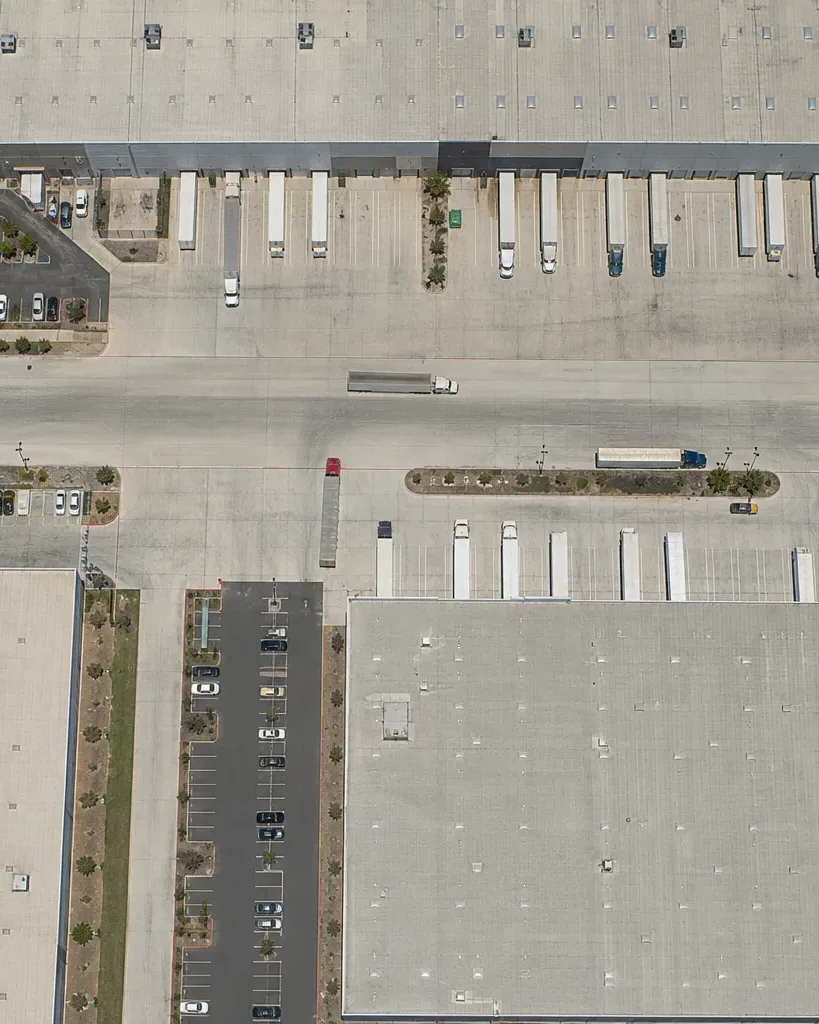
Industrial activity concentrates along three primary corridors: the Southeast along SH-130 and US-183 South, the North and Northeast covering Pflugerville, Hutto, and Taylor, and the East/Manor area connecting to regional freight routes.
The southeastern corridor attracts large-format distribution and manufacturing because of direct SH-130 Toll access and proximity to Austin-Bergstrom International Airport. Several major logistics parks have delivered here, and the area continues to absorb new spec construction. Truck-court depths and dock-high configurations in this submarket suit Class A distribution requirements.
The northeastern corridor has changed substantially following significant semiconductor investment in Taylor, which has attracted a cluster of suppliers and support manufacturers to nearby industrial parks. Pflugerville and Hutto offer newer product at competitive rents with strong access to I-35 and SH-130. The Manor submarket, sitting just east of Austin proper, draws smaller manufacturing and flex tenants who need proximity to the urban core without paying urban-core prices.
I-35 as the Spine
I-35 functions as the main logistics artery for the entire metro. Buildings positioned within a mile of I-35 interchanges command a premium and lease faster than comparable product set back from the highway. For distribution operators who run daily routes to San Antonio or Dallas, this corridor shortens drive times meaningfully and reduces fuel costs at scale.
Industrial Property Types Available in the Austin Market
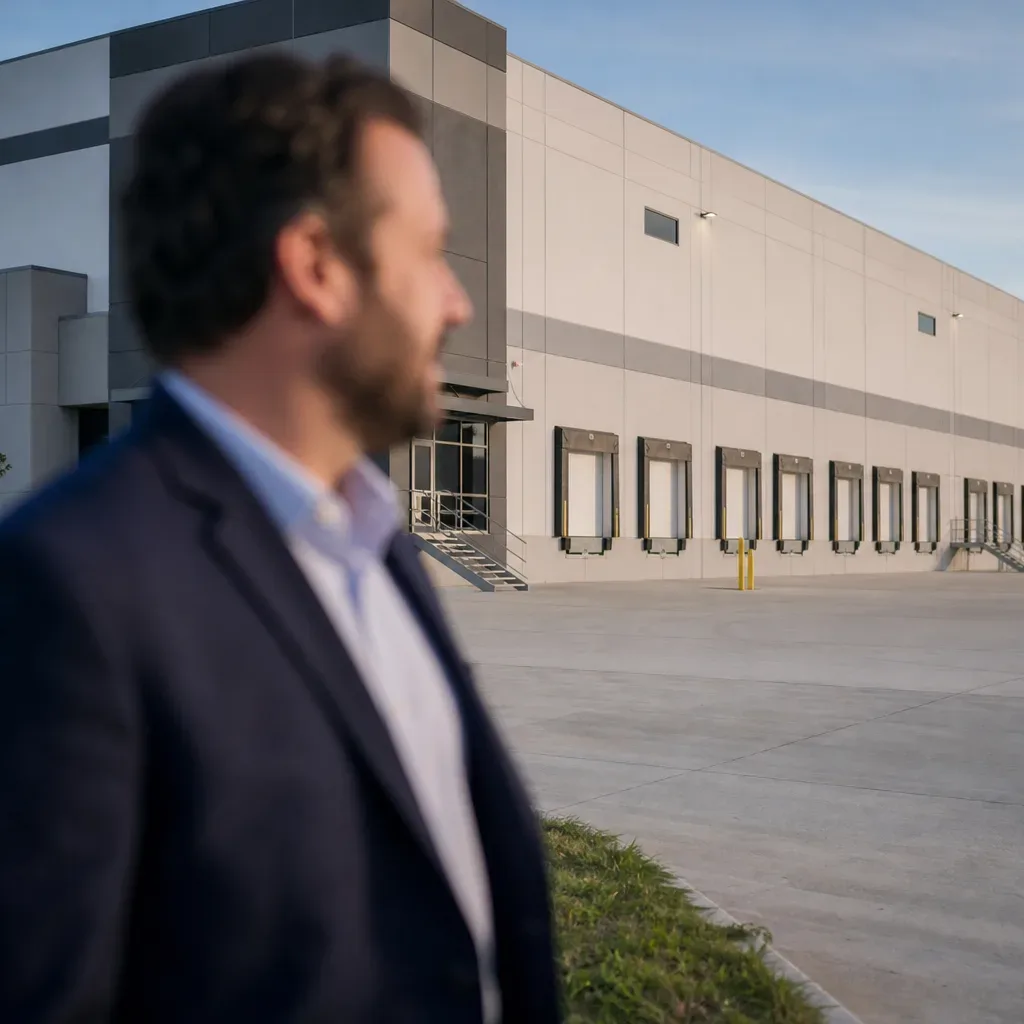
Three formats dominate the Austin industrial inventory: bulk distribution, light manufacturing or general industrial, and flex space. Each serves a distinct occupier profile, and mismatching your operation to the wrong format creates costly retrofitting expenses.
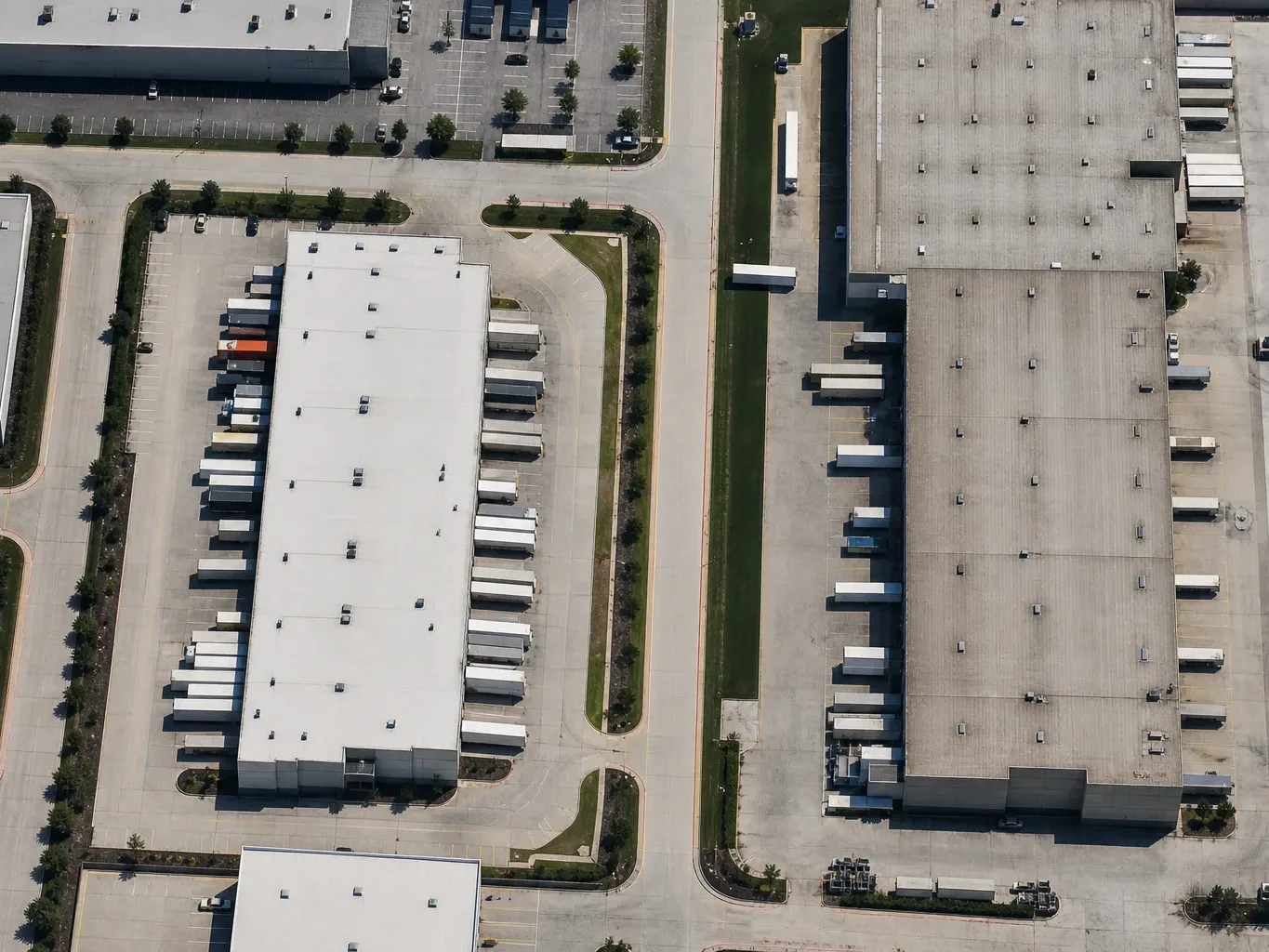
Bulk distribution buildings typically start at 200,000 square feet, feature 32-foot or higher clear heights, dozens of dock-high doors, and deep truck courts designed for 53-foot trailers. These assets concentrate in the southeastern and northeastern corridors where land is available for large footprints. E-commerce operators, third-party logistics firms, and regional distribution hubs are the primary tenants.
General industrial and light manufacturing space covers a wide middle ground, typically running from 20,000 to 150,000 square feet with clear heights in the 24–28 foot range. These buildings often combine dock-high and grade-level doors to accommodate both inbound freight and local delivery. Food production, electronics assembly, and building materials companies occupy this category heavily in Austin.
Flex Space - A High-Demand Niche
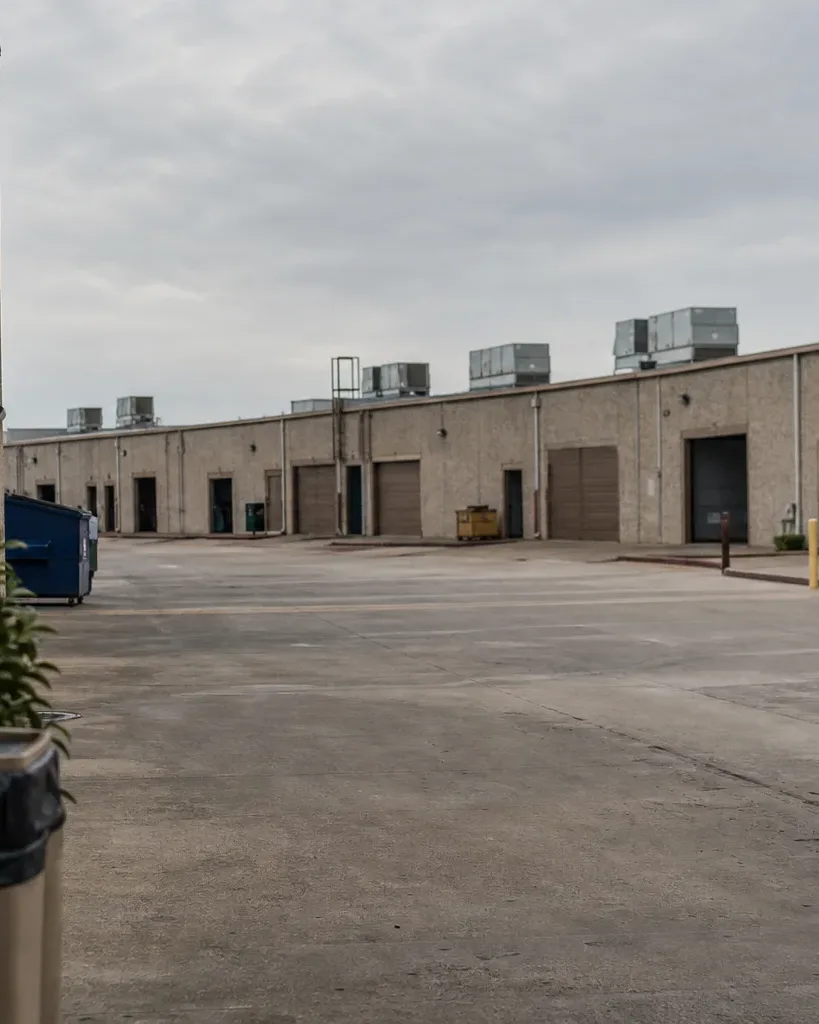
Flex space combines office frontage with warehouse or shop depth under a single tenant-controlled lease. Suites typically range from smaller multi-tenant bays up to larger single-tenant buildings, and the format appeals to tech hardware companies, medical device firms, contractors, and creative production studios.
Asking rents for Austin flex product sit toward the upper end of the broader industrial rent band. Industrial and warehouse rents across the metro run approximately $10–$18 per square foot per year on a triple net basis, and flex suites with finished office components and higher clear heights regularly reach that upper range or slightly above it. Tenants pay base rent plus property taxes, insurance, and maintenance costs separately under a triple net structure, so total occupancy cost runs higher than the base rate suggests. Budget accordingly when modeling a flex deal.
Lease Structures and What They Mean for Your Budget
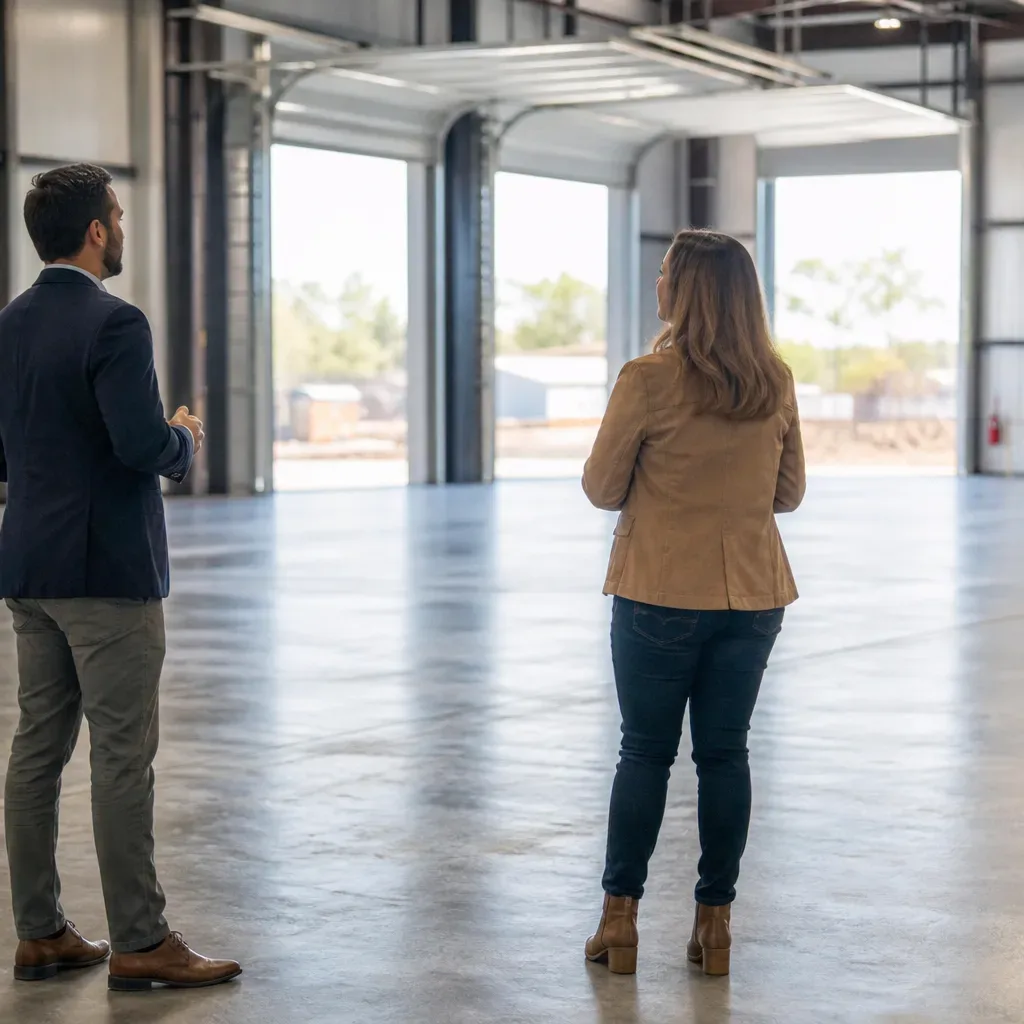
Nearly all Austin industrial leases are structured as triple net agreements. The landlord covers structural elements and roof in most cases, but the tenant absorbs operating expenses including taxes, insurance, and common area maintenance. On a 50,000-square-foot building at $14 per square foot NNN, that base obligation runs $700,000 annually before operating expense pass-throughs, which can add $2–$4 per square foot depending on the asset age and submarket.
Modified gross structures appear occasionally in multi-tenant flex parks where landlords prefer to control operating cost management directly. Under a modified gross arrangement, the tenant and landlord split operating expenses under negotiated terms, so the specific allocation varies by deal. Before signing, confirm in writing which line items each party owns. A seemingly favorable base rate on a modified gross can shift materially once expense reconciliation starts.
Investment Fundamentals for Austin Industrial Assets
Cap rates for Austin industrial assets generally fall within the broader commercial range of approximately 5.0%–7.5%, though well-leased Class A industrial with long-term credit tenants has traded tighter, sometimes below 5.5%. Value-add deals in older product or secondary locations price closer to the upper end of that range and offer yield through lease-up or renovation. Investors who bought in southeastern Austin corridors five years ago have seen both rent growth and cap rate compression work in their favor.
Due diligence on industrial acquisitions typically runs 30–60 days for standard transactions, with environmental review, structural inspection, and zoning confirmation as the core workstreams. Complex assets, those with rail spurs, hazardous materials history, or multiple tenants on staggered leases, often require the full 90-day window. Rushing environmental phase work to compress a timeline is a risk most experienced buyers avoid.
Opportunity Zones and Tax Incentives
Austin contains federally designated Opportunity Zones concentrated primarily in Eastern Travis County and parts of the urban core. Several industrial corridors in the East Austin and Manor areas fall within or adjacent to these zones. Investors who roll qualified capital gains into Opportunity Zone projects can defer and potentially reduce their tax liability, subject to IRS program rules. Consult a qualified intermediary before structuring any deal around this benefit, as the compliance requirements are specific and unforgiving.
Demand Drivers Shaping Austin Industrial Real Estate
Apple, Tesla, Samsung, Google, Meta, and Oracle have all established significant Austin-area presences, and the supply chain and support services those employers require generate sustained industrial demand. Semiconductor fabrication in Taylor pulls in cleanroom equipment suppliers, chemical distributors, and precision manufacturing firms. Gigafactory operations in the southeast generate parts logistics and last-mile delivery demand that continues to expand.
Austin's population growth, historically among the top five fastest-growing large metros in the country, drives consumer spending and therefore distribution center requirements. Even as residential growth has moderated recently, the installed base of 2.3 million metro residents supports a durable e-commerce and grocery logistics market. For industrial investors, that combination of corporate anchor demand and population-driven consumption demand makes Austin a market worth holding through cycles rather than flipping on short timelines.
Frequently Asked Questions
What Is the Industrial Real Estate Market Like in Austin Texas?
Austin's industrial market holds approximately 100–120 million square feet of inventory and remains one of the most active in the Sun Belt. Demand comes from e-commerce, semiconductor supply chains, automotive logistics, and light manufacturing. Rents run $10–$18 per square foot per year on a triple net basis, with flex space skewing toward the upper end of that range.
Where Is Industrial Real Estate Located in Austin Texas?
Industrial product concentrates along three main corridors: the Southeast along SH-130 and US-183 South near Austin-Bergstrom International Airport, the North and Northeast covering Pflugerville, Hutto, and Taylor, and the East and Manor area east of the urban core. I-35 interchanges across the metro also attract distribution and logistics tenants who need regional highway access.
What Types of Industrial Properties Are Available in Austin?
Austin's industrial inventory includes bulk distribution buildings starting at 200,000 square feet with 32-foot-plus clear heights, general industrial and light manufacturing space in the 20,000–150,000 square foot range, and flex suites that combine office frontage with warehouse or shop depth. Each format suits a different operational profile, and the lease terms and rent levels vary accordingly.
What Cap Rates Should Investors Expect on Austin Industrial Properties?
Austin industrial cap rates generally fall within the 5.0%–7.5% range depending on asset class and location. Well-leased Class A bulk distribution with credit tenants tends to trade at the lower end of that range, sometimes below 5.5%. Value-add deals in older or secondary-location product price closer to the upper end and offer yield through lease-up or renovation.
How Long Does Due Diligence Typically Take for an Austin Industrial Acquisition?
Standard Austin industrial transactions typically allow 30–60 days for due diligence covering environmental review, structural inspection, and zoning confirmation. More complex assets, such as those with environmental history, rail infrastructure, or multiple staggered leases, may require up to 90 days. These periods are negotiated and are not set by law, so buyers should build in realistic timelines during offer negotiations.