Special-Purpose Commercial Properties in Austin - Hotels, Medical Offices, and Data Centers
Special-purpose commercial property demands a different investment framework than a standard office building or strip mall. These assets are engineered for one specific use, which concentrates both their upside and their operational risk. Austin's diversified economy, a metro of approximately 2.3 million people spanning the Round Rock–Georgetown MSA, has created genuine demand across three of the most active special-purpose categories: hotels, medical office buildings, and data centers.
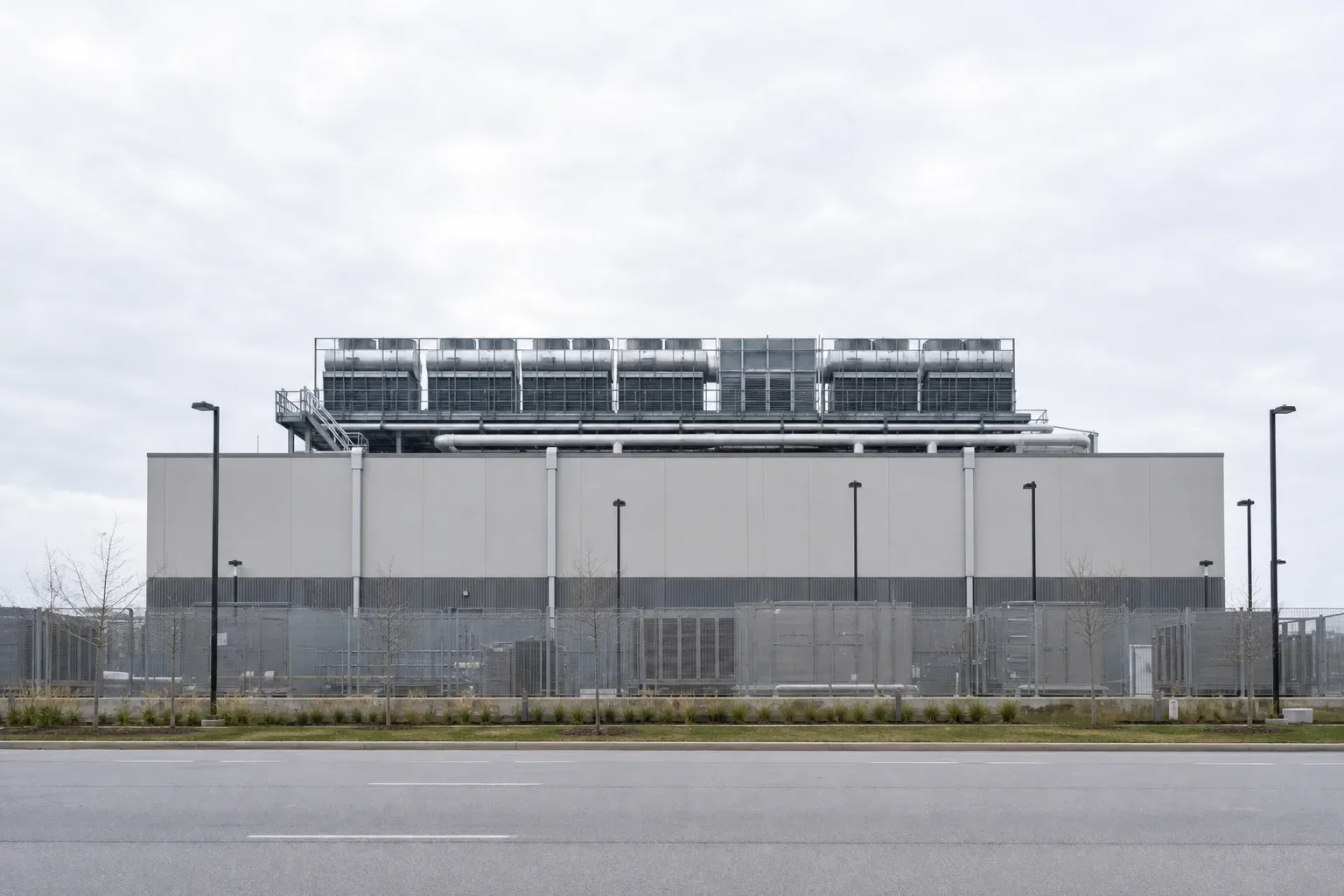
What Makes a Property Special-Purpose
A special-purpose commercial property is a building designed and constructed for a single, highly specific use that cannot easily be converted to another function without substantial capital expenditure. Gas stations, car washes, bowling alleys, and hospitals all qualify. The defining characteristic is functional specificity: the physical infrastructure serves the intended use so completely that the building loses most of its value if that use disappears.
For investors, this specificity creates leverage in strong demand environments and vulnerability in weak ones. Underwriting these assets requires a deep read on the operator, the local demand drivers, and the realistic cost of repositioning if the primary tenant vacates.
Austin's Hotel Market - Revenue Cycles and Capital Considerations
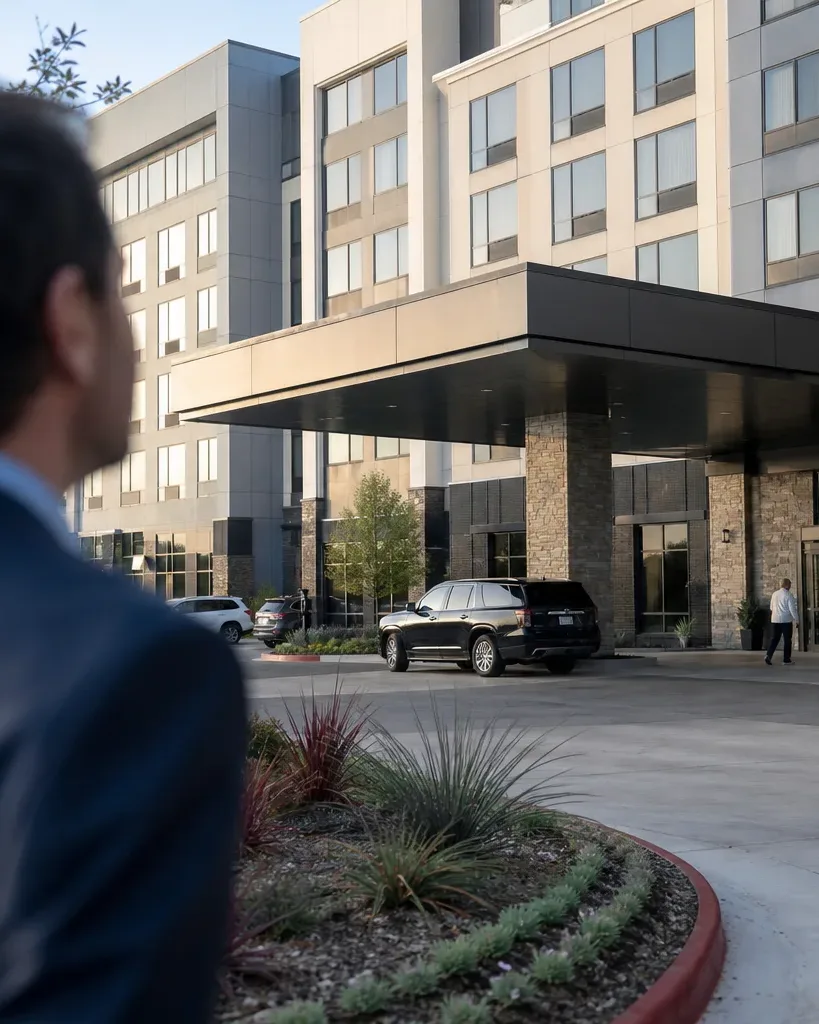
Austin's hotel sector runs on layered demand. Corporate transient travel from the major tech employers anchored here, including Apple, Tesla, Google, and Oracle, provides a relatively stable base. Leisure and event-driven demand adds significant peaks throughout the calendar year.
Evaluating a Hotel Acquisition
Revenue per available room, or RevPAR, is the primary performance metric for hotel assets. Austin's convention and events calendar produces sharp RevPAR spikes, which can flatter trailing twelve-month figures. Buyers should disaggregate the data: strip out anomalous peak periods and look at midweek occupancy in non-event months to understand the true demand floor.
Cap rates for stabilized full-service hotels in Austin typically fall within the broader commercial range of 5.0%–7.5%, but limited-service and select-service properties often trade at the higher end of that band. Franchise flags carry brand standards that require periodic property improvement plans, capital outlays that can run several hundred dollars per key every seven to ten years. Budget for these in your hold-period model.
Hotel ownership also involves operating complexity that most passive commercial investors underestimate. A hotel is not a lease; it is an operating business housed in real estate. Management company selection, labor costs, and OTA commission structures all affect net operating income directly.
Medical Office Commercial Property in Austin
Medical office buildings in Austin are among the most supply-constrained asset types in the market, driven by the metro's population growth and an aging demographic base that demands outpatient care closer to where people live.
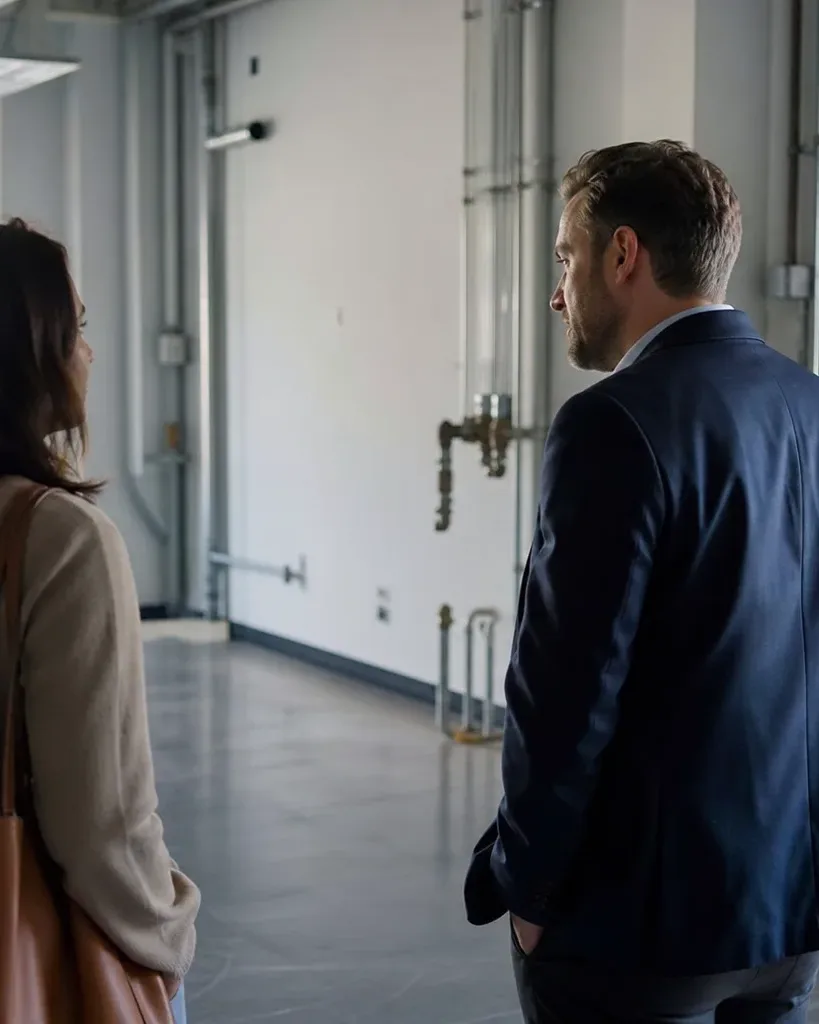
Medical office differs from traditional office in several important ways. Tenants, typically physician groups, surgery centers, or health system outpatient arms, require plumbing, electrical capacity, and HVAC systems that far exceed standard office specifications. Buildout costs for clinical space can reach $150–$200 per square foot or more, which is one reason medical tenants sign leases of ten years or longer. That lease duration is a core piece of the investment thesis.
Submarket Positioning and Tenant Mix
Proximity to a hospital campus is the most reliable demand signal for medical office in Austin. The St. David's and Ascension Seton systems have multiple campuses distributed across the metro, and physician practices cluster near these anchors for referral relationships and patient convenience. North Austin, Cedar Park, and the Pflugerville–Hutto corridor have all seen new medical office development as population growth has pushed into those submarkets.
Class A medical office in Austin competes within the general office pricing band of $45–$65 per square foot per year on a full-service gross basis, though many medical leases are structured as modified gross or NNN, where tenants pay base rent and then separately cover property taxes, insurance, and maintenance. Under a Triple Net structure, the tenant absorbs those operating cost variables directly. Always clarify the lease structure before comparing asking rents across buildings.
Why Parking and Infrastructure Matter
Physical due diligence on medical office has to go deeper than a standard office inspection. Confirm that the electrical service can support imaging equipment such as MRI machines. Inspect plumbing for medical gas rough-ins and procedure room drainage. Site-level parking availability is a functional requirement for patient-facing practices.
Properties with constrained parking have a structurally harder time attracting and retaining clinical tenants regardless of their location quality.
Data Centers - Infrastructure-Intensive and Demand-Resilient
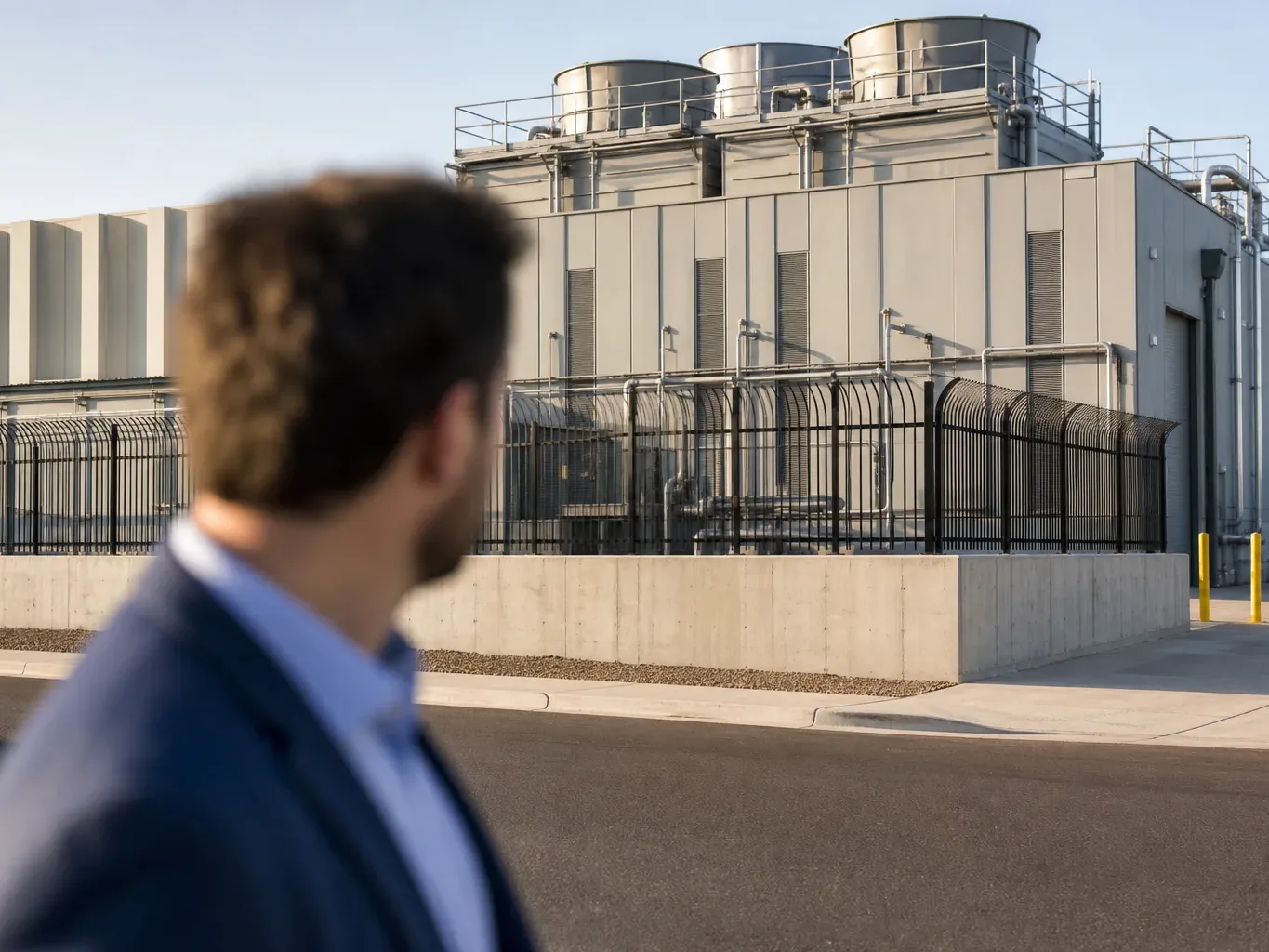
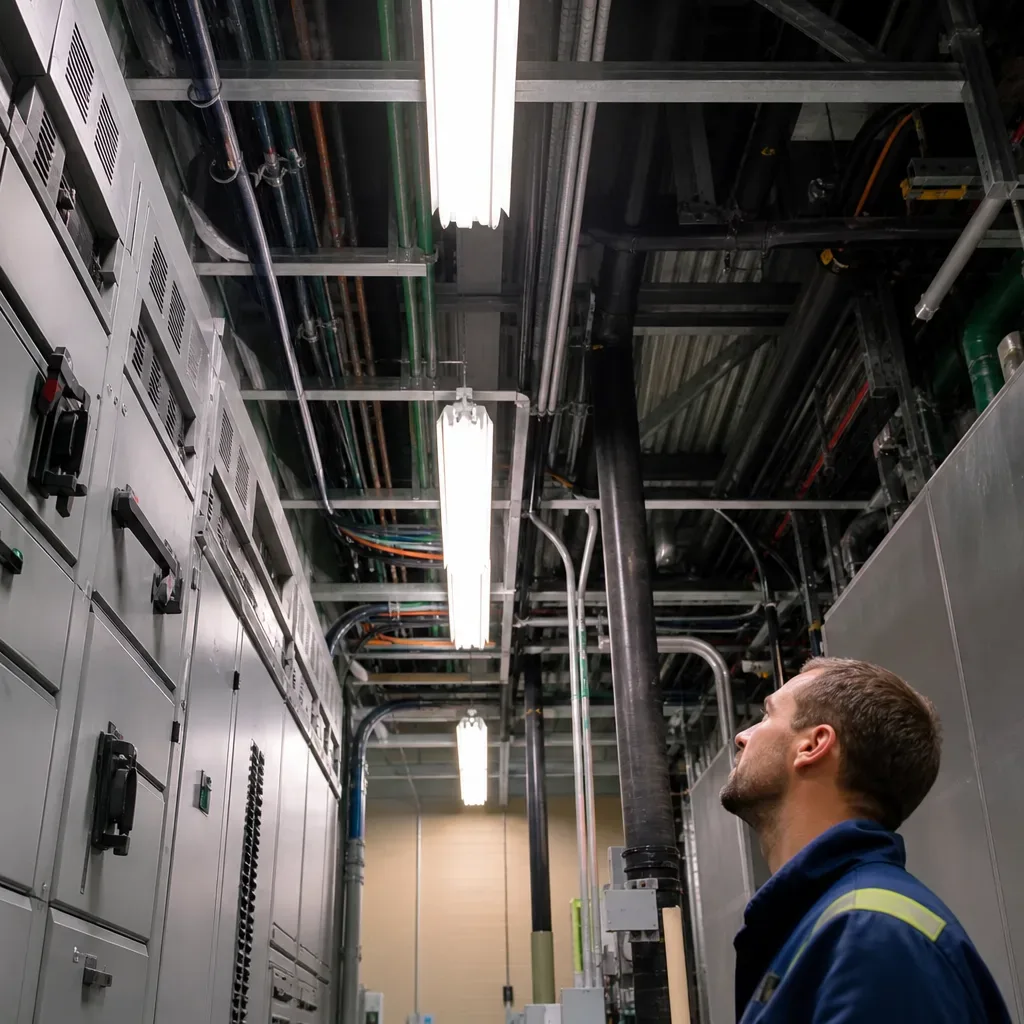
Data centers represent one of the most technically demanding categories of special-purpose commercial real estate. The asset value is tied not to architectural finish but to critical infrastructure: redundant power feeds, cooling capacity measured in megawatts, raised floor load ratings, and fiber connectivity. An investor acquiring a data center is effectively acquiring a highly engineered utility plant.
Austin's Position in the Data Center Landscape
Austin's position as a technology hub creates genuine enterprise demand for colocation and edge computing capacity. The concentration of tech employers here generates data workloads that require low-latency local processing. Proximity to Tier 1 fiber routes running through Central Texas adds connectivity value that enterprise tenants evaluate carefully.
Power infrastructure is the single most consequential factor in data center site selection and valuation. Austin Energy serves the city proper, while PEC and Oncor serve parts of the broader metro. Available utility capacity, the cost of power purchase, and the path to expanding electrical service all directly affect a data center's operating cost structure and therefore its long-term competitiveness.
Lease Structures and Investment Returns
Data center leases come in two primary forms. Wholesale colocation involves long-term leases of large power blocks, often structured as NNN agreements with creditworthy enterprise or hyperscale tenants. Retail colocation involves shorter-term agreements with smaller tenants paying per-cabinet or per-kilowatt pricing. Retail colocation generates higher revenue per square foot but requires active management and carries more tenant turnover risk.
Cap rates on stabilized data centers have compressed significantly over the past several years as institutional capital has chased the asset class. Buyers entering at compressed yields are underwriting continued demand growth from AI compute workloads and enterprise cloud migration. That thesis has strong supporting evidence, but it does require continued capital expenditure to keep the facility's power and cooling infrastructure current.
Due Diligence Timelines for Special-Purpose Assets
The standard commercial due diligence window in Austin runs 30–60 days, and that range is workable for straightforward deals. Special-purpose assets routinely require closer to 90 days because of the technical depth involved. A hotel acquisition needs an independent property improvement plan audit and a management agreement review. A medical office building needs an MEP assessment of clinical infrastructure.
A data center needs a power and cooling redundancy audit that may involve third-party engineers.
Engaging specialists early, a hotel consultant, a healthcare real estate attorney, or a data center infrastructure engineer, before you open escrow compresses the discovery timeline. Surprises found in week six of a 60-day period leave little room to negotiate remediation or reprice the deal. Building your specialist network before you identify the asset is simply practical preparation.
Austin's commercial real estate market is consistently ranked among the top 10 U.S. markets for investment activity and development pipeline, a characterization supported by CBRE investor surveys and ULI Emerging Trends reporting. For special-purpose buyers, that ranking reflects real liquidity at exit, provided the asset's operational fundamentals support the underwriting at acquisition.
Frequently Asked Questions
What Is the Definition of Special Purpose Commercial Property?
A special-purpose commercial property is a building designed and built for a single specific use, such as a hotel, medical office, data center, car wash, or gas station, where converting it to another use would require substantial capital investment. The physical infrastructure is so tailored to the original use that the property loses significant value if that use is removed. This specificity affects how lenders underwrite these assets, how buyers value them, and how easily they can be repositioned or sold.
What Should I Know About Medical Office Commercial Property in Austin?
Medical office in Austin is characterized by long lease terms, often ten years or more, because clinical tenants invest heavily in buildout costs that can reach $150–$200 per square foot. Proximity to hospital campuses operated by Ascension Seton and St. David's HealthCare drives demand in specific submarkets including North Austin, Cedar Park, and the Pflugerville corridor. Class A medical office rents generally fall within the $45–$65 per square foot per year range on a full-service gross basis, though many leases are structured as modified gross or Triple Net. Physical due diligence should include an MEP inspection confirming adequate electrical capacity for imaging equipment and sufficient on-site parking for patient-facing practices.
How Are Data Center Investments Structured in Austin?
Data center leases typically take one of two forms: wholesale colocation, involving long-term NNN leases of large power blocks to enterprise or hyperscale tenants, or retail colocation, with shorter agreements priced per cabinet or per kilowatt. Wholesale deals offer income stability; retail colocation generates higher revenue per square foot but requires active management. Power availability from Austin Energy or surrounding utility providers is the most critical site-level factor, as operating cost and expansion capacity depend entirely on accessible megawatts.
What Cap Rates Apply to Special-purpose Commercial Properties in Austin?
Austin commercial cap rates generally range from 5.0% to 7.5% depending on asset class and location. Hotels and retail assets tend to trade at the higher end of that range, while data centers with long-term credit tenants have seen compression toward the lower end due to strong institutional demand. Medical office buildings with ten-year leases and creditworthy health system tenants also attract lower cap rates. Every special-purpose asset should be underwritten on its specific lease terms, operator quality, and physical infrastructure condition rather than a broad market average.
How Long Does Due Diligence Take for Special-purpose Properties in Austin?
Standard commercial due diligence in Austin runs 30–60 days for most transaction types, but special-purpose assets routinely require up to 90 days because of their technical complexity. Hotels need independent property improvement plan audits and management agreement reviews. Medical office buildings require MEP assessments of clinical infrastructure including plumbing, electrical capacity, and medical gas systems. Data centers need third-party power and cooling redundancy audits. Engaging the relevant specialists before you open escrow is the most reliable way to avoid running out of time to negotiate on findings.