Austin Opportunity Zones - Commercial Real Estate Tax Incentives Explained
Federal Opportunity Zone designations give investors a concrete mechanism to defer, reduce, and potentially eliminate capital gains taxes by deploying capital into qualifying projects. Austin contains federally designated Opportunity Zones concentrated primarily in Eastern Travis County and parts of the urban core. For commercial real estate investors, these zones represent a rare convergence of tax efficiency and a market with genuine underlying demand.
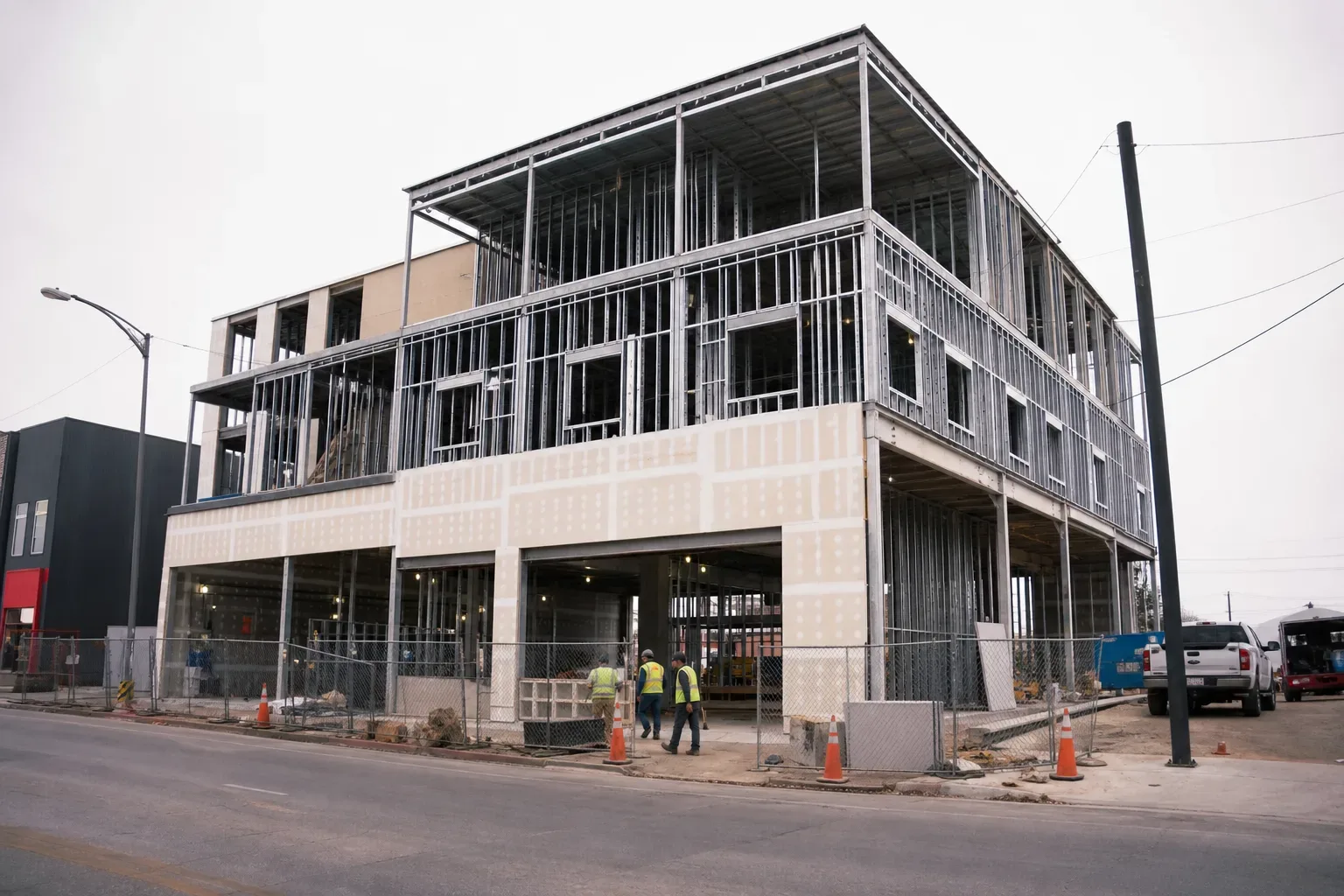
What Austin Opportunity Zones Commercial Investment Looks Like on the Ground
Austin's designated Opportunity Zones sit inside one of the most consistently active commercial markets in the country. According to PwC/ULI Emerging Trends data, Austin ranks among the top 10 U.S. markets for commercial real estate investment activity and development pipeline. The eastern portions of the city, covered heavily by Opportunity Zone census tracts, have attracted mixed-use, light industrial, and multifamily projects as the urban core expands outward.
The metro population stands at approximately 2.3 million across the greater Austin–Round Rock–Georgetown MSA, and Austin has ranked among the top five fastest-growing large metros in the U.S., adding roughly 100,000–150,000 residents per year at peak growth. That population trajectory creates durable occupancy demand, which is exactly what a long-hold Opportunity Zone strategy requires. Investors need assets that will perform over a 10-year horizon to capture the maximum tax benefit, and Austin's labor market and employer base provide a credible case for that demand.
Major employers including Apple, Tesla, Samsung, Google, Meta, and Oracle have each established significant Austin presences. That concentration of tech-sector tenants creates absorption pressure on both office and industrial product in and near the Opportunity Zone corridors.
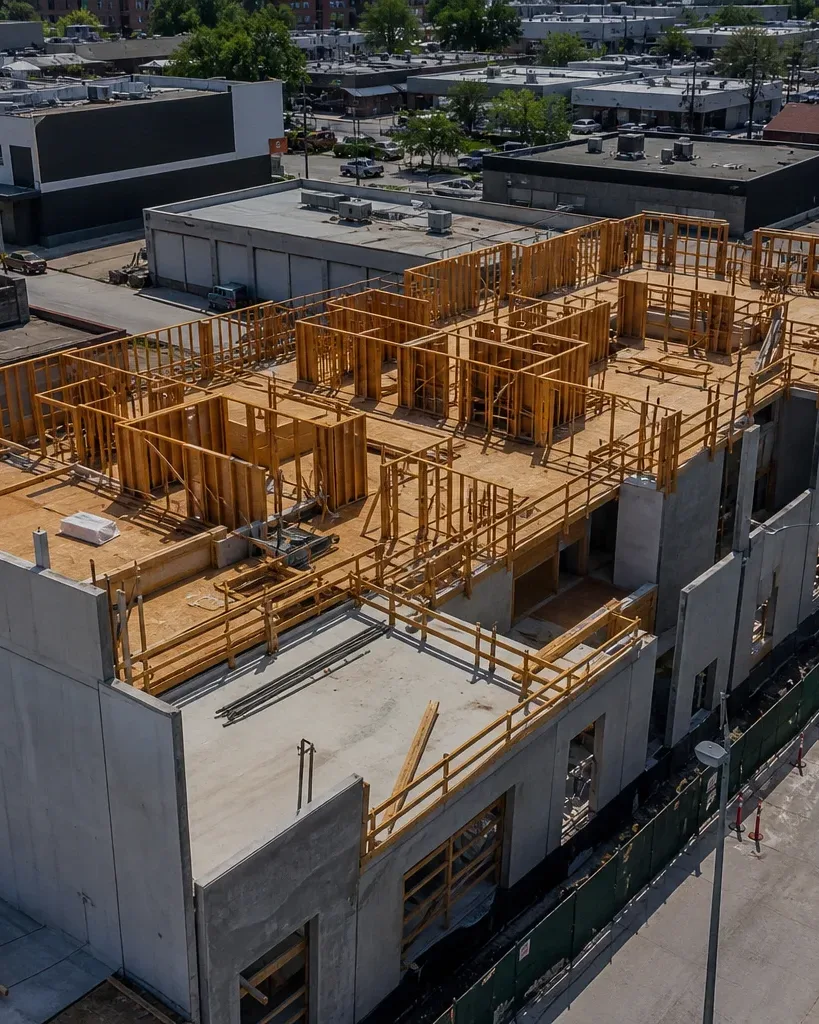
Opportunity Zone Benefits Austin Real Estate Investors Actually Use
The core benefit is capital gains tax deferral, with potential elimination of gains accrued inside the fund. An investor who sells an appreciated asset rolls the gain into a Qualified Opportunity Fund within 180 days. The original gain is deferred until December 31, 2026, or until the investor exits the fund, whichever comes first. If the investor holds the Opportunity Zone investment for at least 10 years, any appreciation generated inside the fund becomes entirely tax-free.
The Three-Tier Benefit Structure
The program delivers benefits in three distinct layers. First, deferral: the original capital gain does not trigger a tax event at the time of reinvestment. Second, step-up in basis: gains held for at least five years receive a 10% step-up in basis, reducing the eventual tax on the deferred gain. Third, and most significant for long-hold commercial strategies, gains on the Opportunity Zone investment itself are excluded from federal tax after a 10-year hold.
For a commercial acquisition in Austin's eastern submarket, this structure fundamentally changes the return math. A deal producing a $3 million gain over 10 years would normally face federal capital gains tax on exit. Inside a Qualified Opportunity Fund, that gain exits tax-free at the federal level, shifting the effective return materially without changing the underlying asset.
How Qualified Opportunity Funds Work
A Qualified Opportunity Fund is an entity, typically an LLC or partnership, that holds at least 90% of its assets in Qualifying Opportunity Zone Property. The fund must actively improve the property: the IRS requires that the fund substantially improve the asset by doubling its adjusted basis within 30 months of acquisition. For commercial ground-up development inside a zone, the substantial improvement test is met by the construction itself.
This requirement filters out passive land banking. The program rewards active development capital, which is well-suited to Austin's pipeline of mixed-use, multifamily, and light industrial projects in the eastern urban core.
Tax Benefits Opportunity Zones Austin Commercial Projects Can Claim
Commercial projects in Austin's Opportunity Zones can access the full federal gain exclusion after 10 years, along with depreciation deductions during the hold period. Those depreciation benefits layer on top of the capital gains incentives, further improving cash-on-cash returns during the hold.
Cap Rate Context for Opportunity Zone Acquisitions
Austin commercial assets across asset classes currently trade at cap rates of roughly 5.0%–7.5%, depending on asset type and submarket. Office and retail product tends to sit toward the higher end of that range. Multifamily assets, particularly stabilized Class A, compress toward 4.5%–6.0%.
Opportunity Zone properties in Eastern Travis County often price at wider cap rates than comparable west-side assets, reflecting perceived submarket risk. That spread is the entry point. Investors who acquire at a higher cap rate and improve the asset physically and operationally can compress the cap rate on exit, stacking appreciation gains on top of the tax benefit. Because those appreciation gains are tax-free after 10 years, the combined return profile can be substantially stronger than a conventional acquisition in a tighter submarket.
Industrial and Flex Product in the Zone
Austin's industrial inventory spans approximately 100–120 million square feet metro-wide, with active expansion underway. Industrial rents in the Austin metro run $10–$18 per square foot per year on a triple net basis, with flex space skewing toward the upper end of that range. Several Opportunity Zone census tracts overlap with areas seeing new flex and light industrial demand driven by last-mile logistics and manufacturing support for the semiconductor and EV supply chains.
For industrial development within a Qualified Opportunity Fund, the construction itself satisfies the substantial improvement requirement, the depreciation schedule is accelerated relative to other asset types, and the exit gain after 10 years is excluded from federal tax.
How to Structure a Qualifying Investment
A qualifying investment requires placing realized capital gains into a Qualified Opportunity Fund within 180 days of the triggering sale event. The fund then acquires or develops Qualifying Opportunity Zone Property, which must be located inside a designated census tract. Austin's designated tracts are identified on the official IRS and HUD Opportunity Zone maps; tract boundaries are fixed and do not change.
Due diligence on Austin commercial transactions typically runs 30–60 days for most deals, with complex or larger assets sometimes requiring up to 90 days. That timeline fits comfortably inside the 180-day reinvestment window for most investors, though anyone rolling gains from a December sale should plan the fund formation and acquisition process in parallel rather than sequentially.
Investors should verify that the specific parcel sits inside a designated census tract before committing capital. A qualified intermediary can confirm tract eligibility and structure the fund entity to meet the 90% asset test. Tax counsel familiar with Opportunity Zone regulations is essential: the program rules carry specific compliance milestones, including the 30-month substantial improvement window and annual 90% asset testing dates.
Lease Structure Considerations for OZ Projects
Commercial projects inside Austin Opportunity Zones typically use triple net leases for retail and industrial tenants. Under a Triple Net lease, the tenant pays base rent plus property taxes, insurance, and maintenance separately, improving net operating income predictability for the fund. Multifamily projects naturally generate gross rent income, which flows through the fund without lease-structure complexity.
For office product, Modified Gross leases are common in Austin's suburban submarkets. Under a Modified Gross structure, the landlord and tenant split operating expenses under negotiated terms, sitting between a full NNN and a full gross arrangement. The specific expense split varies by deal and should be modeled carefully when projecting fund-level returns over the 10-year hold.
The 2026 deferral deadline for the original gain is close enough that investors forming new funds should prioritize speed to deployment. Capital sitting in a Qualified Opportunity Fund but not yet invested in qualifying property does not clock the 10-year appreciation exclusion, making active project selection in Austin's designated tracts the most time-sensitive decision in the process.
Frequently Asked Questions
What Counts as Austin Opportunity Zones Commercial Investment?
Any commercial real estate acquisition or development located within a federally designated Opportunity Zone census tract in Austin qualifies, provided the investment is made through a Qualified Opportunity Fund. Eligible property types include multifamily, industrial, flex, retail, and office. The fund must substantially improve the asset by doubling its adjusted basis within 30 months, or construct new development on the site. Austin's designated tracts are concentrated primarily in Eastern Travis County and parts of the urban core.
What Are the Opportunity Zone Benefits for Austin Real Estate Investors?
Investors receive three layered benefits: deferral of the original capital gain until December 31, 2026, a 10% step-up in basis after a five-year hold, and complete federal tax exclusion on gains generated inside the fund after a 10-year hold. For commercial projects in Austin that appreciate significantly over a decade, that exclusion can represent hundreds of thousands or millions of dollars in avoided federal tax. Depreciation deductions during the hold period add further return improvement.
What Are the Tax Benefits of Opportunity Zones for Austin Commercial Projects?
The primary federal tax benefit is the exclusion of appreciation gains after a 10-year hold inside a Qualified Opportunity Fund. The original capital gain rolled into the fund is deferred, and any new gain generated by the Austin commercial asset itself exits free of federal capital gains tax. Investors also claim standard depreciation deductions on the commercial property during the hold, improving annual cash-on-cash returns while the deferral benefit compounds.
Where Exactly Are Austin's Opportunity Zones Located?
Austin's federally designated Opportunity Zone census tracts are concentrated in Eastern Travis County and portions of the urban core. Exact tract boundaries are fixed and available on the official IRS and HUD Opportunity Zone maps. Investors should confirm that a specific parcel falls within a designated tract before committing capital, as properties just outside a boundary do not qualify regardless of proximity.
What Is the Deadline to Invest Gains Into an Austin Opportunity Zone Fund?
Investors have 180 days from the date of the sale that generated the capital gain to place those proceeds into a Qualified Opportunity Fund. The fund then has a 30-month window to substantially improve the Austin commercial property. Separately, the deferred original gain must be recognized by December 31, 2026, making the timing of new fund formations particularly important for investors looking to maximize the five-year step-up benefit. Consult a qualified intermediary and tax counsel before structuring a fund.