Austin Office Space - Class A, B, and C Buildings Explained
Austin office space classifications shape every meaningful decision a tenant or investor makes, from monthly rent exposure to long-term asset appreciation. The three-tier system, Class A, B, and C, is not a formal certification but an industry shorthand for a building's age, condition, amenities, and location quality. Tenants researching Austin office space classifications can find a practical starting point at https://www.austintenantadvisors.com/office-space/, where local inventory is broken down by building type and submarket. Understanding what each class actually delivers in the Austin market prevents costly mismatches between budget, brand, and operational need.

How Austin Office Space Classifications Work
Classifications exist on a spectrum rather than a rigid checklist. Brokers, appraisers, and lenders apply them relative to comparable buildings in the same submarket, so a Class A tower in the CBD is benchmarked against other CBD towers, not against suburban flex parks. Three factors drive classification almost universally: physical quality and finishes, building systems and infrastructure, and location within its competitive set.
Austin's office inventory spans roughly 60–70 million square feet across CBD, suburban CBD, and suburban submarkets. The Domain in North Austin, the CBD along Congress and Brazos, and the East Austin corridor each carry their own classification dynamics. A building that earns Class A designation in a secondary suburban node might only qualify as Class B if relocated two miles closer to the Domain.
Class A Office Space in Austin
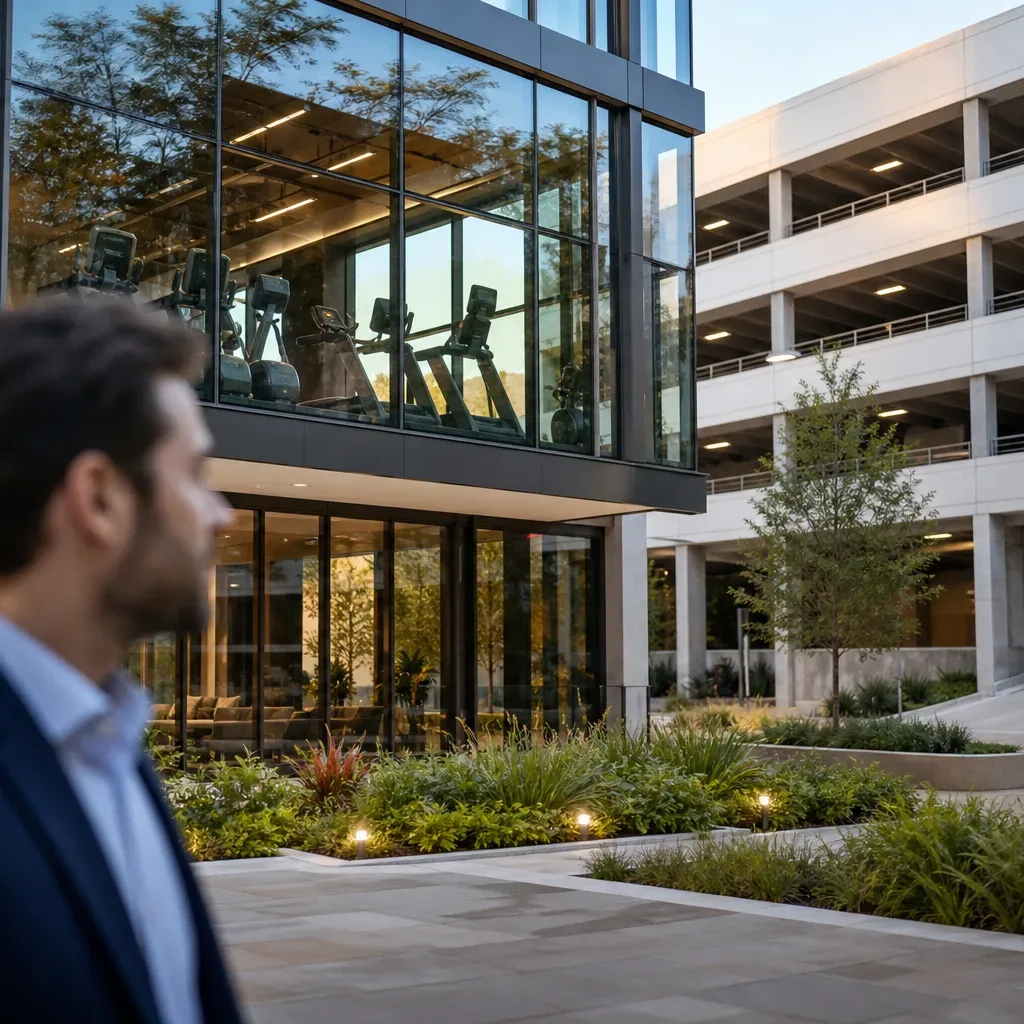
Class A buildings represent the top tier of the market: newer construction or substantially renovated properties with high-end finishes, efficient floor plates, advanced HVAC and electrical systems, on-site management, and amenities such as fitness centers, conference facilities, and structured parking. In Austin, Class A product concentrates in the CBD, the Domain, and a handful of high-profile suburban campuses.
What Class A Costs
Full-service gross rents for Class A space in the Austin metro run $45–$65 per square foot per year. CBD towers and Domain-adjacent buildings tend toward the upper end of that range. The lease structure matters: a full-service gross lease means the landlord covers property taxes, insurance, and most operating expenses inside a single quoted rate, simplifying budgeting for tenants.
Who Leases Class A Space
Tech employers with major Austin footprints, including Apple, Google, Meta, and Oracle, have historically anchored Class A projects. Professional services firms, financial institutions, and any company managing brand-sensitive recruiting also favor Class A. The premium over Class B is often justified by the ability to attract and retain talent, not just by the quality of the space itself.
Class B Office Space in Austin
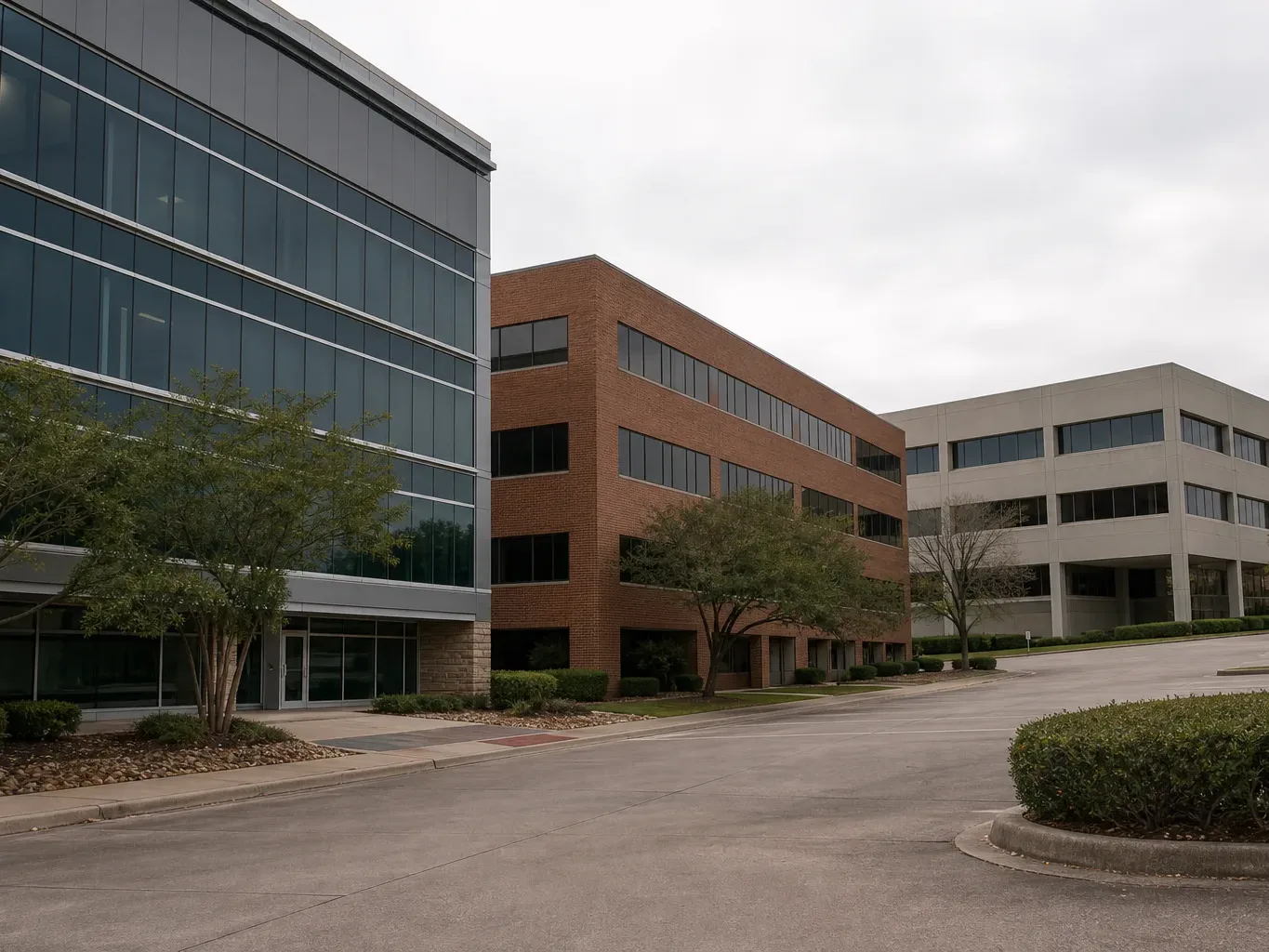
Class B buildings are functional, well-maintained properties that lack either the age advantage of new construction or the amenity depth of Class A. Many are structures built in the 1990s or early 2000s that have received periodic updates without full repositioning. Mechanicals are serviceable, lobby finishes are professional but not distinctive, and parking ratios are adequate.
What Class B Costs
Rents for Class B space in the Austin metro range from $28–$44 per square foot per year. Lease structures vary more at this tier. Some landlords quote modified gross leases, where tenant and landlord split operating expenses under negotiated terms. Others use NNN structures, where the tenant pays base rent plus property taxes, insurance, and maintenance separately, so tenants should confirm what the headline rate actually includes before comparing quotes.
The Class B Opportunity for Tenants
For growing companies that need professional space without the cost of a Class A address, Class B offers a practical middle ground. Right-sizing to a Class B building in a well-located submarket can free $10–$20 per square foot annually compared to Class A, a meaningful delta for a 5,000-square-foot tenant over a five-year term.
Class C Office Space in Austin
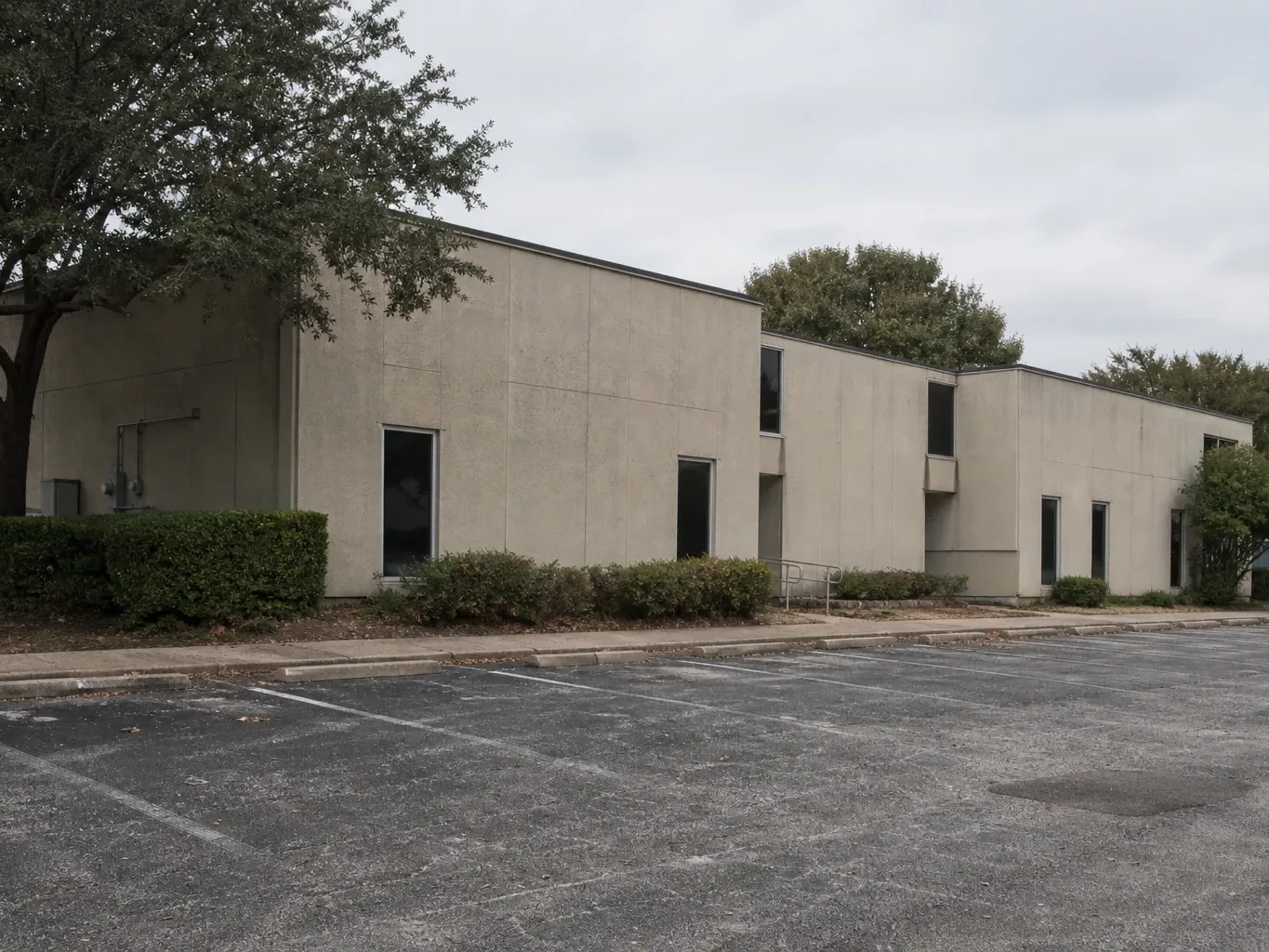
Class C buildings are older, typically pre-1990 structures with dated systems, minimal amenities, and deferred maintenance in some cases. They are not necessarily unusable. Many serve small businesses, nonprofits, creative studios, and startups that prioritize low overhead over image.
What Class C Costs
Class C rents in the Austin metro generally fall between $18–$27 per square foot per year. This tier is frequently quoted on a triple net basis, meaning tenants absorb property taxes, insurance, and maintenance on top of base rent. The all-in occupancy cost can close the gap with Class B if operating expenses are high, so underwriting Class C requires a careful look at the actual NNN pass-throughs, not just the base rate.
Class C as a Value-Add Investment Target
Investors pursuing repositioning strategies often target Class C assets near emerging corridors. East Austin has seen several Class C buildings undergo renovation to Class B or creative-office standards over the past decade. The conversion economics depend on acquisition basis, capital expenditure scope, and achievable post-renovation rents. Commercial cap rates in the Austin market run 5.0%–7.5% depending on asset class and location, with older office product typically priced toward the higher end of that range to reflect execution risk.
Vacancy and Market Context
Austin's metro-wide commercial office vacancy rate sits at roughly 20–25%, a reflection of elevated post-pandemic availability across all classes. Vacancy is not evenly distributed. Class A new construction in the Domain and CBD carries different absorption dynamics than older Class B or C suburban stock. Investors and tenants alike benefit from running submarket-specific vacancy data from sources such as CBRE, JLL, or CoStar rather than relying on metro-wide averages alone.
The elevated vacancy environment has shifted negotiating leverage toward tenants in most submarkets. Landlords are offering free rent periods, tenant improvement allowances, and lease flexibility that were harder to secure before 2021. Tenants with creditworthy financials and lease terms of five years or more are well-positioned to extract meaningful concessions, particularly in Class B and C buildings where landlords face longer re-leasing timelines.
Classification and Investment Underwriting
For investors, office building classification feeds directly into cap rate expectations, financing terms, and exit assumptions. Lenders treat Class A assets with stabilized occupancy more favorably than Class C buildings with deferred capital needs. The due diligence period for most Austin commercial transactions runs 30–60 days, with complex or larger assets sometimes requiring up to 90 days. That window is the time to verify the classification's accuracy against actual building systems, lease abstracts, and operating expense histories.
Austin is consistently ranked among the top 10 U.S. markets for commercial real estate investment activity and development pipeline, according to sources such as the PwC/ULI Emerging Trends report. That competitive environment means misclassified assets, buildings marketed above their actual tier, are a real risk. Third-party property condition assessments and independent broker opinions of value are practical tools for validating what a seller claims about their building's class before committing capital.

Frequently Asked Questions
Class A B C Office Space Austin - What's the Difference?
Class A is the highest tier: newer or fully renovated buildings with premium finishes, advanced systems, and strong amenities, renting for $45–$65 per sq ft per year (full-service gross) in Austin. Class B covers well-maintained but less distinctive properties in the $28–$44 per sq ft range, often with modified gross or NNN lease structures. Class C includes older buildings with dated systems and minimal amenities, typically priced at $18–$27 per sq ft per year, frequently on a triple net basis.
How Does Austin's Office Vacancy Rate Affect Which Class I Should Lease?
Austin's metro-wide office vacancy rate sits at roughly 20–25%, which gives tenants meaningful negotiating leverage across all three classes. In Class A, landlords are offering tenant improvement allowances and free rent periods that were rare before 2021. Class B and C landlords face even longer re-leasing timelines, so creditworthy tenants committing to five-year terms can often secure significant concessions on top of already competitive base rents.
Are Austin Office Building Classifications Officially Certified?
No formal certification body assigns office classifications. The designations are market conventions applied by brokers, appraisers, and lenders relative to comparable buildings in the same submarket. This means a building classified as Class A in a suburban Austin node may only qualify as Class B when benchmarked against CBD or Domain-area towers. Always confirm classification claims with a third-party property condition assessment and an independent broker opinion.
What Cap Rates Should I Expect for Austin Office Investments by Class?
Commercial cap rates in the Austin market range from 5.0%–7.5% depending on asset class and location. Stabilized Class A office assets with strong tenancy tend to price toward the lower end of that range, while older Class B and Class C properties, especially those requiring capital investment, typically price toward the higher end to reflect repositioning risk and longer vacancy exposure.
How Long Does Due Diligence Take for an Austin Office Building Purchase?
Most Austin commercial transactions include a due diligence period of 30–60 days, with larger or more complex assets sometimes requiring up to 90 days. During that window, buyers should verify the building's classification against actual mechanical systems, lease abstracts, and historical operating expenses, since sellers sometimes market properties above their true tier.