Austin Commercial Property Types - Office, Retail, Industrial & More
What Are the Main Types of Commercial Property in Austin
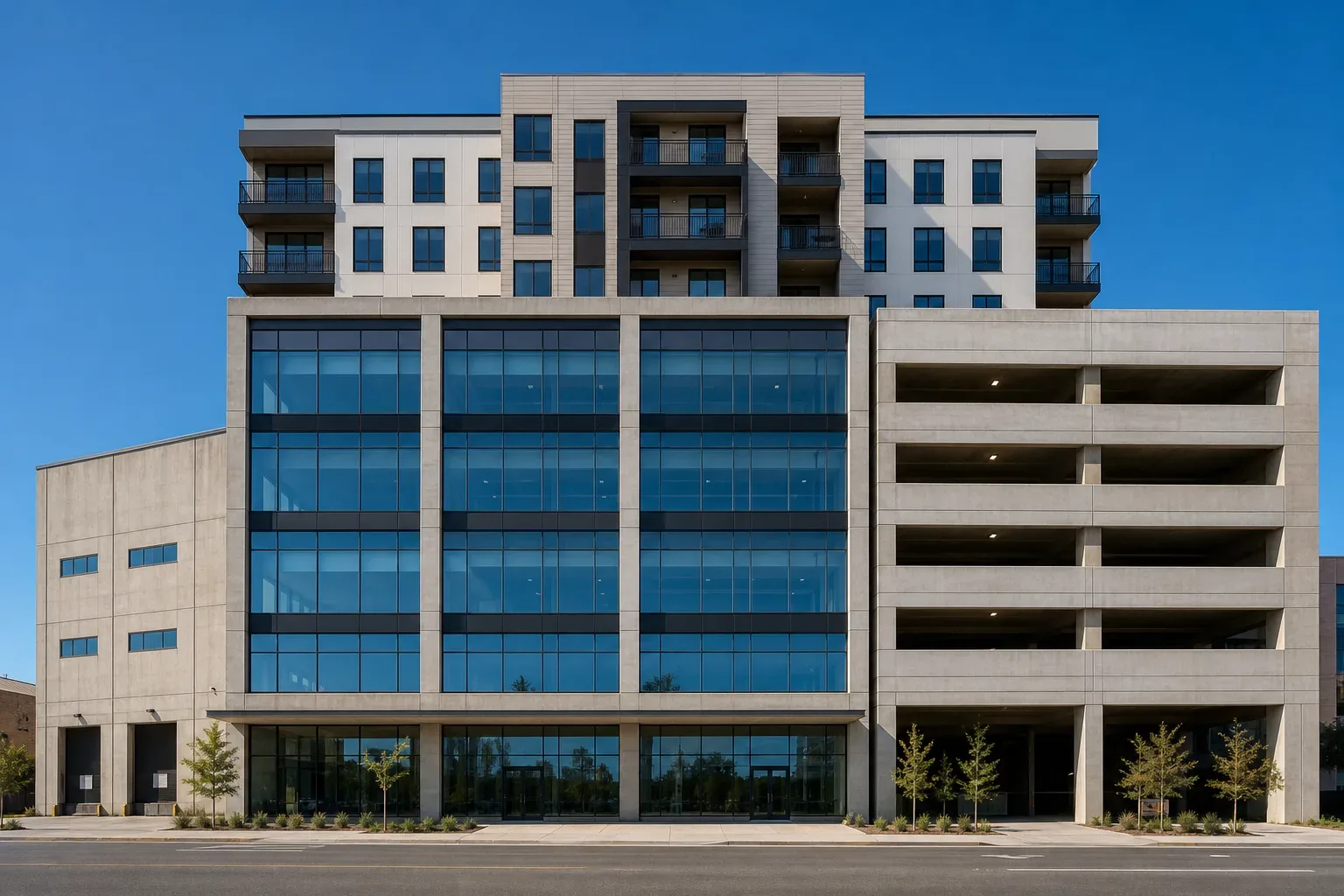
Austin's commercial real estate market spans five primary asset classes: office, retail, industrial, multifamily, and specialty properties such as hospitality and self-storage. Each class behaves differently under market pressure, carries distinct lease structures, and attracts a different investor profile. Understanding those differences before committing capital saves time and avoids expensive mismatches between your investment goals and the asset you acquire.
Austin is consistently ranked among the top 10 U.S. markets for commercial real estate investment activity, according to PwC/ULI Emerging Trends. The metro's approximately 2.3 million residents, concentrated tech employer base, and active development pipeline make asset selection more consequential here than in slower-moving markets.
Office Properties
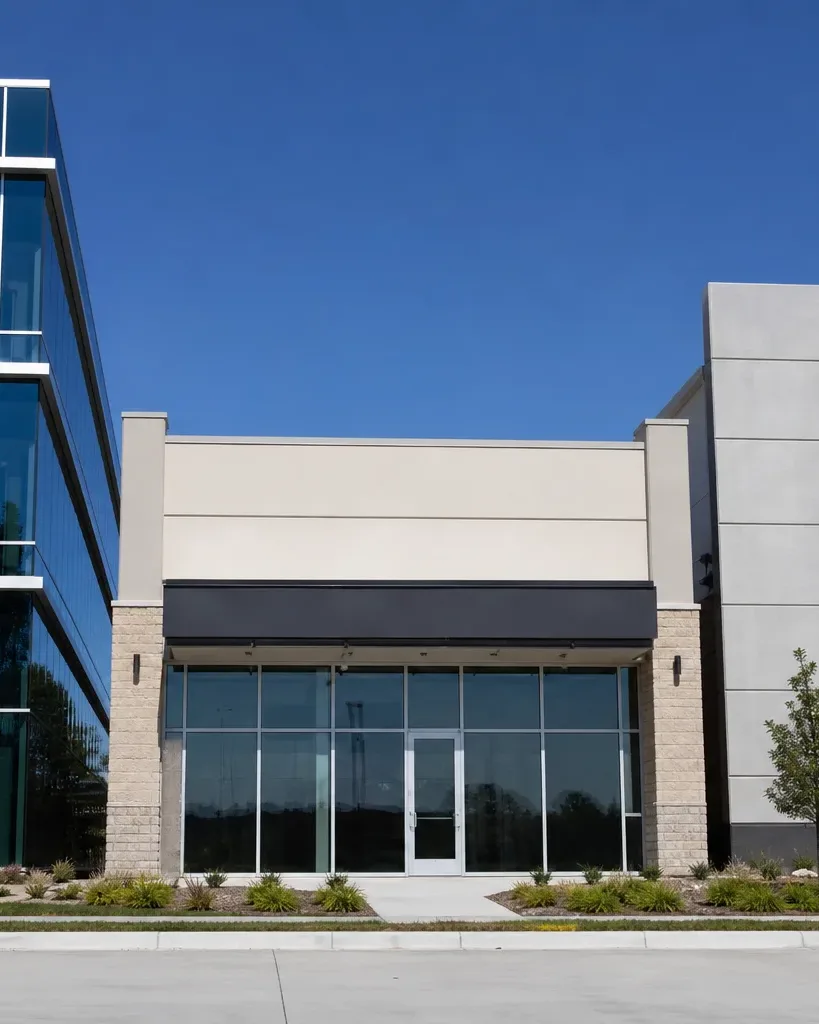
Austin's office market contains roughly 60–70 million square feet of total inventory spread across the CBD, the Domain submarket, and suburban corridors like the Southwest Submarket and North Austin. Vacancy sits at roughly 20–25% metro-wide, a figure that has persisted post-pandemic and continues to pressure Class B and C landlords more sharply than Class A owners.
Class A, B, and C Office
Class A office space in Austin runs $45–$65 per square foot per year on a full-service gross basis. CBD towers and Domain addresses anchor the upper end of that range. Class B space, typically older buildings in good locations with functional but dated finishes, trades at $28–$44 per square foot per year. Class C assets often fall in the $18–$27 range and are frequently quoted on a Triple Net (NNN) basis, meaning tenants pay base rent plus property taxes, insurance, and maintenance costs separately.
Buyers targeting office should model the current vacancy environment carefully. Sublease space from tech tenants remains elevated, which compresses achievable rents and extends lease-up timelines on value-add acquisitions. Major employers like Apple, Google, Meta, Oracle, and Tesla have established significant Austin presences, but their footprint decisions affect large-block availability more than small-suite demand.

Retail Properties
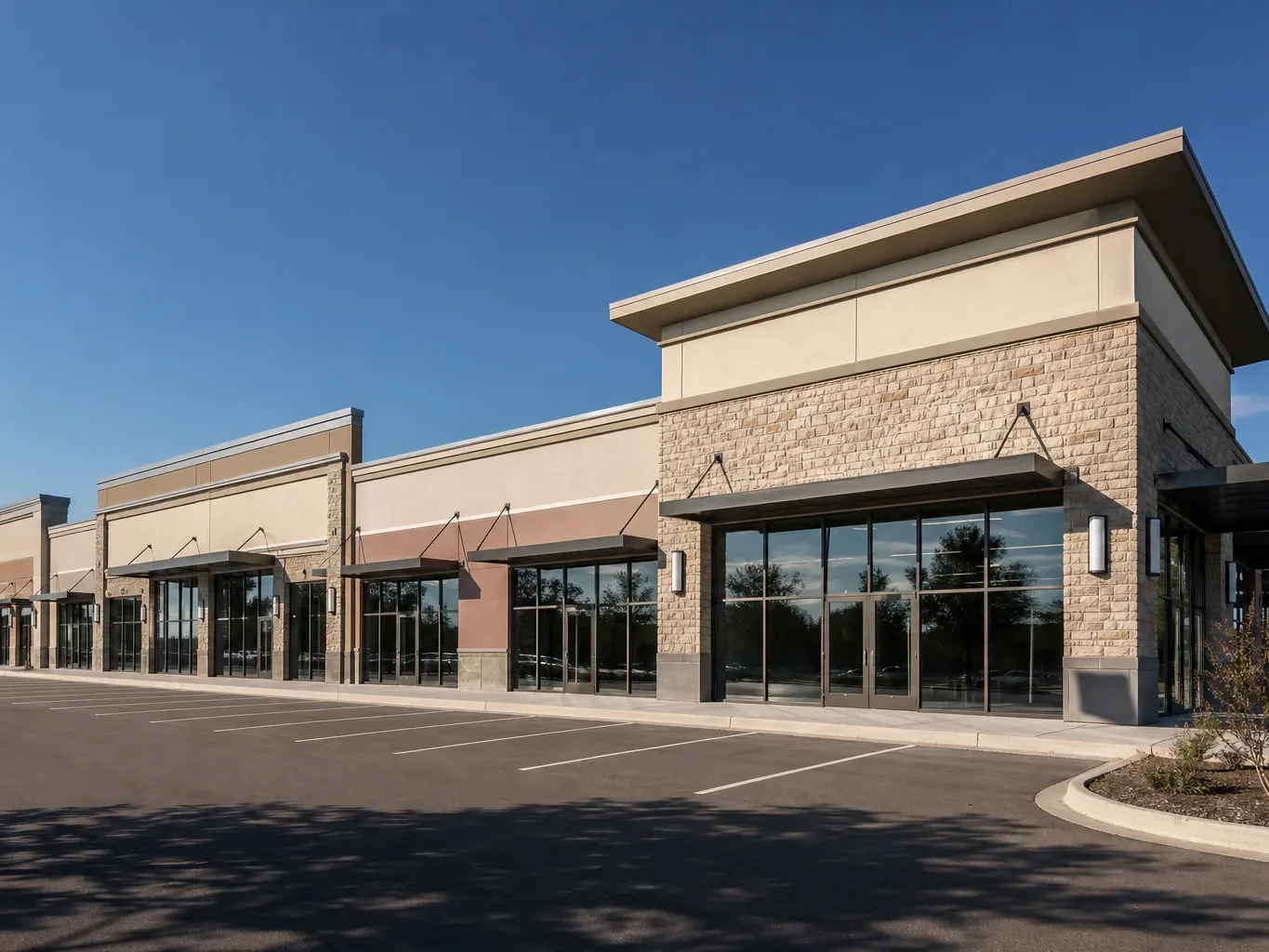
Retail in Austin ranges from neighborhood strip centers to regional power centers and mixed-use ground-floor space. Base rents for NNN retail run $25–$55 per square foot per year across the metro, with high-demand corridors such as South Congress Avenue and the Domain regularly exceeding that ceiling. Under a Triple Net lease, the tenant covers property taxes, insurance, and maintenance in addition to base rent.
Retail Subtypes Worth Distinguishing
Strip centers anchored by grocery or pharmacy tenants produce the most stable cash flow because anchor leases are long-term and drive co-tenant foot traffic. Unanchored neighborhood retail is more susceptible to tenant turnover. Single-tenant net-leased properties, such as quick-service restaurants or auto parts stores, trade at compressed cap rates because of their predictable income streams.
In Austin's fastest-growing suburban corridors, Cedar Park, Pflugerville, and Kyle, population growth supports new retail demand as residential buildout continues. Investors able to buy or develop ahead of that absorption curve typically realize stronger long-term returns than those entering after retailers have already priced in the growth.
Industrial Properties
Austin's industrial inventory spans approximately 100–120 million square feet, covering bulk distribution, light manufacturing, flex space, and last-mile logistics facilities. Demand has been driven by population growth, e-commerce fulfillment needs, and semiconductor-adjacent manufacturing tied to Samsung's Taylor facility and a broader supply-chain reshoring trend.
Industrial rents run $10–$18 per square foot per year NNN across the metro. Flex space, which blends warehouse square footage with office or showroom frontage, skews toward the upper end of that range. Compared to office, industrial vacancy remains far lower, and lease structures are straightforward: the tenant handles operating expenses and the landlord holds a relatively passive position.
Why Industrial Attracts Capital Right Now
Cap rates for stabilized industrial assets in Austin sit toward the lower end of the general commercial range, reflecting strong investor demand. The asset class requires less management intensity than retail or multifamily, which appeals to investors scaling a portfolio. Build-to-suit opportunities exist in the eastern submarkets and along the 130 Toll corridor, where land costs are lower than in the urban core.
Multifamily Properties
Multifamily is technically residential but trades as a commercial asset class above four units. Cap rates in the Austin metro range from 4.5%–6.0%, with stabilized Class A communities at the lower end and value-add assets at the higher end. The spread reflects lease-up risk, vintage, and submarket strength.
Austin added substantial new apartment supply between 2022 and 2025, which has softened asking rents and pushed concessions higher in some submarkets. That softness has created selective acquisition opportunities for buyers who can underwrite realistic stabilized rents rather than peak-cycle figures. Areas with limited new supply pipelines, specifically older urban neighborhoods east of I-35 and established suburban nodes, offer tighter vacancy and more predictable income.
Specialty and Mixed-Use Properties
Beyond the four core classes, Austin's market includes hospitality, self-storage, medical office, and mixed-use developments. Medical office, in particular, has drawn attention because healthcare demand tracks population growth more directly than office demand tracks employment. Properties near St. David's Medical Center, Ascension Seton campuses, and the growing suburban urgent-care corridors command premiums from healthcare tenants seeking long-term leases.
Mixed-use projects combining ground-floor retail with upper-floor office or residential benefit from diversified income streams. The trade-off is management complexity and the need to underwrite multiple tenant types simultaneously. Self-storage has historically shown recession resilience, and Austin's household growth provides a durable demand base for new facilities in underserved zip codes.
Opportunity Zones and Location Factors
Austin contains federally designated Opportunity Zones concentrated in Eastern Travis County and parts of the urban core. Investments in these zones structured through a Qualified Opportunity Fund can defer and potentially reduce capital gains taxes, depending on hold period and IRS program rules. Buyers should consult a qualified intermediary and verify current program parameters before structuring a deal around this incentive.
Submarket selection cuts across all asset classes. The CBD and Domain skew toward higher-priced, institutional-grade assets. East Austin and Southeast Austin offer value-add potential with more execution risk. Round Rock, Cedar Park, and Georgetown carry suburban characteristics with growing tenant demand as the metro's 2.3 million residents continue to spread outward.
Comparing Asset Classes by Key Metrics
Choosing an asset class is ultimately a function of three variables: your risk tolerance, preferred management intensity, and target hold period. Industrial and NNN retail deliver the most passive income profiles. Multifamily and office value-add deals require more active management but offer higher return potential if executed well.
Due diligence periods for Austin commercial transactions typically run 30–60 days, with complex or larger assets sometimes requiring up to 90 days. That window is where asset class differences become most tangible: environmental phase work for industrial, rent-roll analysis for multifamily, lease-by-lease review for retail, and building systems inspections for older office product. Allocating that time correctly, based on the specific asset type you're pursuing, is what separates disciplined acquisitions from expensive surprises.
Frequently Asked Questions
What Are the Main Types of Commercial Property in Austin?
Austin's commercial real estate market covers five primary asset classes: office, retail, industrial, multifamily, and specialty properties such as medical office, hospitality, and self-storage. Each class has distinct lease structures, vacancy dynamics, and return profiles. Office and retail typically use NNN or gross leases depending on class; industrial is almost exclusively NNN; multifamily trades on cap rates ranging from 4.5%–6.0% across the metro.
What Is the Difference Between Class A, B, and C Office Space in Austin?
Class A office in Austin commands $45–$65 per square foot per year on a full-service gross basis and typically features modern finishes, efficient floor plates, and prime locations in the CBD or Domain submarket. Class B space runs $28–$44 per square foot per year and represents older or less-amenitized buildings in functional locations. Class C assets fall in the $18–$27 range, are often quoted NNN, and generally require the most capital investment to stabilize.
How Do Industrial and Office Properties Compare as Investments in Austin?
Industrial properties in Austin offer lower management intensity, NNN leases at $10–$18 per square foot per year, and historically low vacancy compared to office. Austin's office market is running 20–25% vacancy metro-wide, which pressures rental rates and extends lease-up timelines on value-add acquisitions. Industrial suits investors seeking passive income; office value-add deals can produce higher returns but require more active asset management and realistic underwriting of the current leasing environment.
What Retail Rent Rates Should I Expect in Austin?
Retail rents across the Austin metro generally run $25–$55 per square foot per year on a Triple Net basis, meaning tenants pay base rent plus property taxes, insurance, and maintenance separately. High-demand corridors like South Congress Avenue and the Domain can exceed that range. Grocery-anchored strip centers and single-tenant NNN properties on long-term leases tend to trade at tighter cap rates because of their income predictability.
Are There Opportunity Zones in Austin That Affect Commercial Property Investment?
Yes, Austin contains federally designated Opportunity Zones concentrated in Eastern Travis County and parts of the urban core. Investors who structure acquisitions through a Qualified Opportunity Fund can defer and potentially reduce capital gains taxes depending on hold period, under current IRS program rules. The zone boundaries are fixed, but program rules can change, so consulting a qualified intermediary before structuring a deal around this incentive is strongly recommended.