Mixed-Use Developments in Austin - Combining Retail, Office, and Residential
Why Mixed-Use Is Reshaping Austin's Built Environment
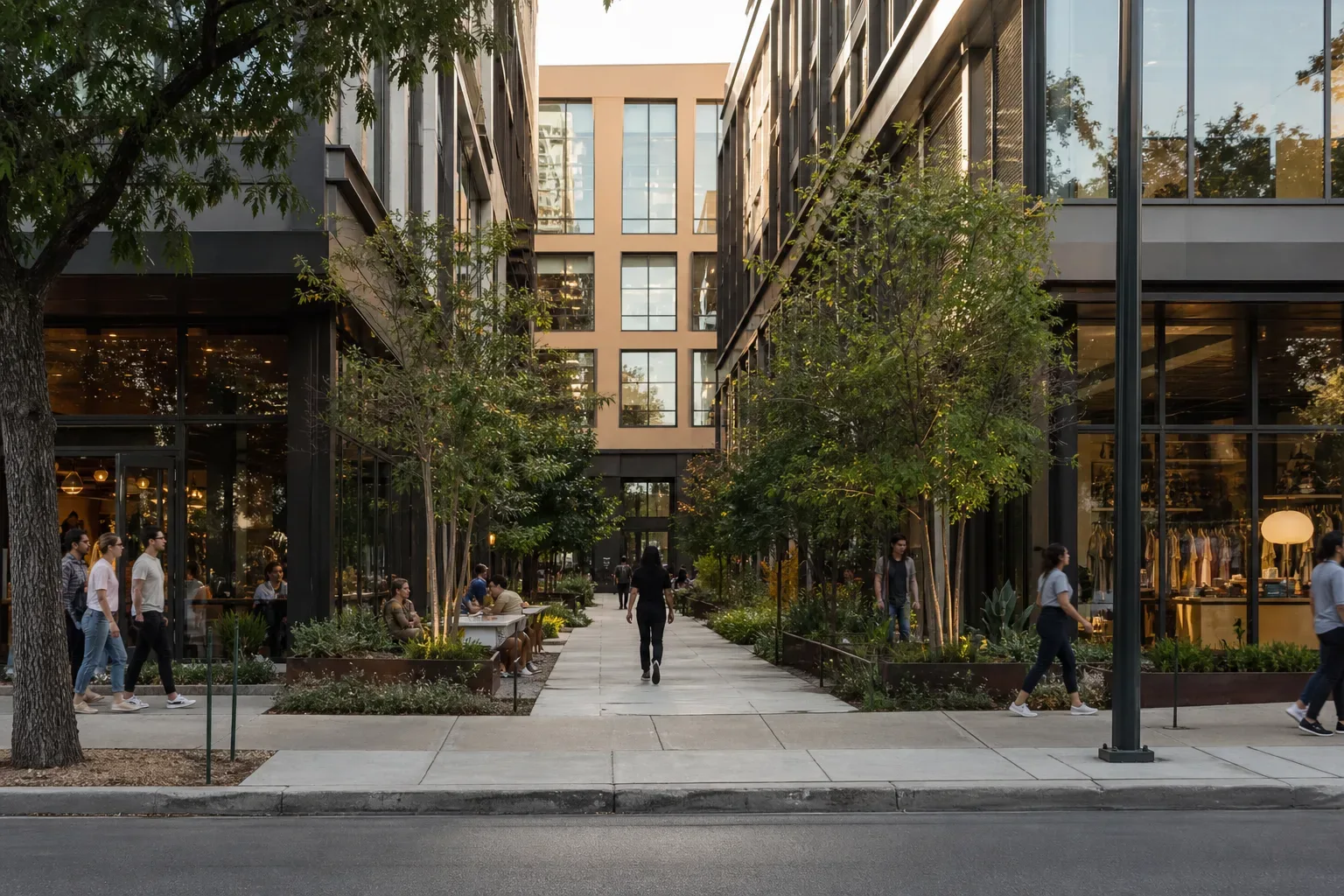
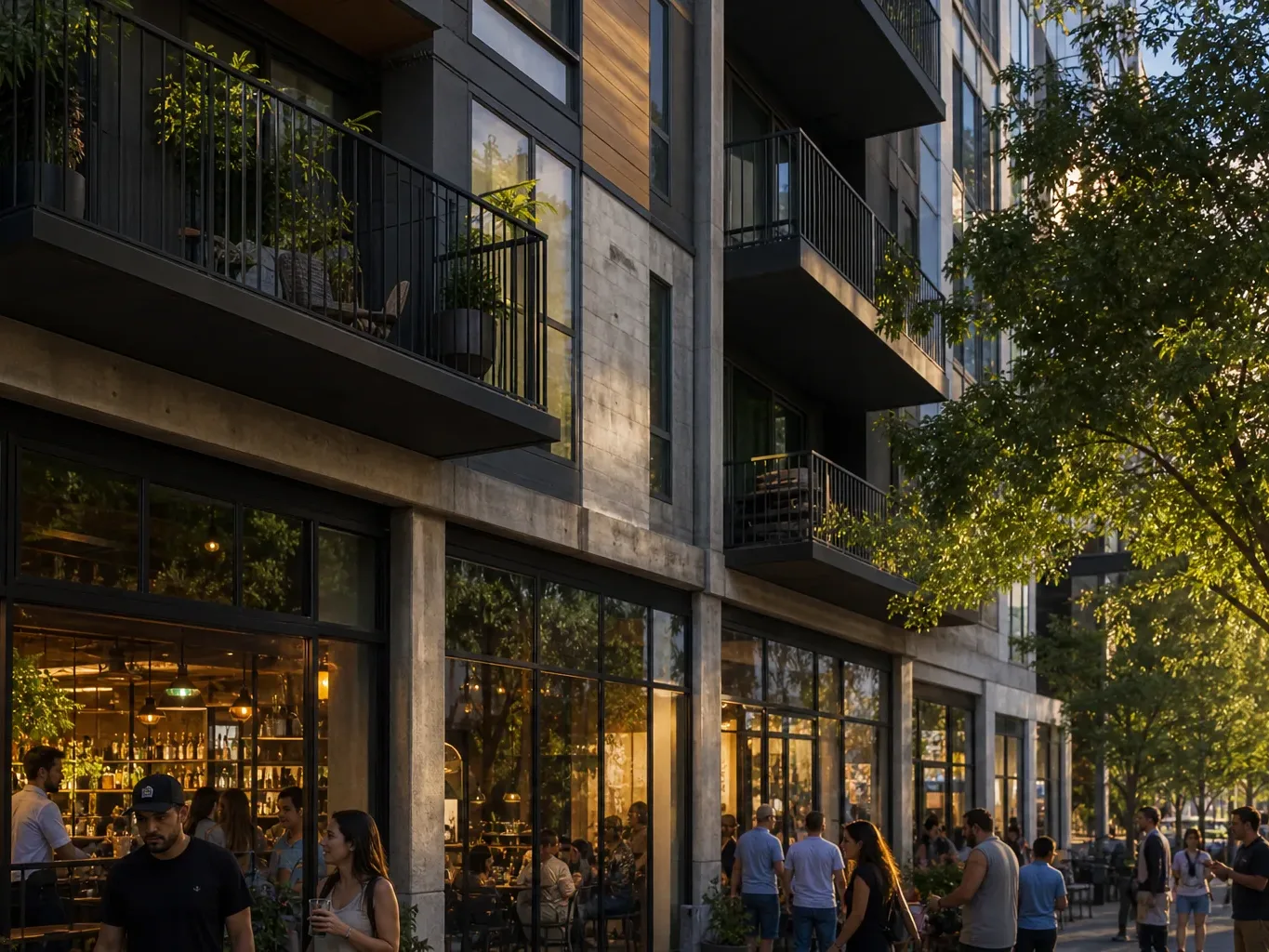
Austin's commercial landscape has shifted decisively toward projects that layer retail, office, and residential uses within a single address. The logic is straightforward: a building that generates foot traffic at street level, lease income on upper floors, and residential density overhead performs across multiple revenue streams simultaneously. For investors and developers operating in a metro of roughly 2.3 million people, that diversification matters.
The city's zoning framework, particularly its Vertical Mixed-Use overlay, directly incentivizes this format by allowing increased density in exchange for ground-floor commercial activation. Corridors such as South Congress, East Sixth Street, and the Domain have attracted capital precisely because that overlay reduces entitlement friction. Post-pandemic office vacancy across Austin sits at roughly 20–25%, and mixed-use structures have proven more resilient than single-use office towers because residential and retail income offsets softness in any one component.
How Mixed-Use Projects Work in Austin Texas
A typical Austin mixed-use project is structured around a ground-floor retail or restaurant pad, one or more floors of office or co-working space, and upper-floor multifamily or condominium units. The stack is not arbitrary. Ground-floor retail at $25–$55 per square foot per year on a triple net basis anchors pedestrian activation, while office space on floors two through four commands $45–$65 per square foot annually on a full-service gross lease in Class A product. Residential units above that layer add a third income stream with cap rates typically ranging from 4.5% to 6.0% for stabilized multifamily in the Austin metro.
The financial structure matters as much as the physical one. Developers routinely separate the retail condominium from the residential tower and sell each to different buyer groups. An institutional multifamily buyer acquires the upper floors; a retail investor or owner-operator buys the ground-floor shell. That separation allows each buyer to underwrite their own asset class without cross-contaminating the cap rate conversation.
Lease Structures Across the Three Uses
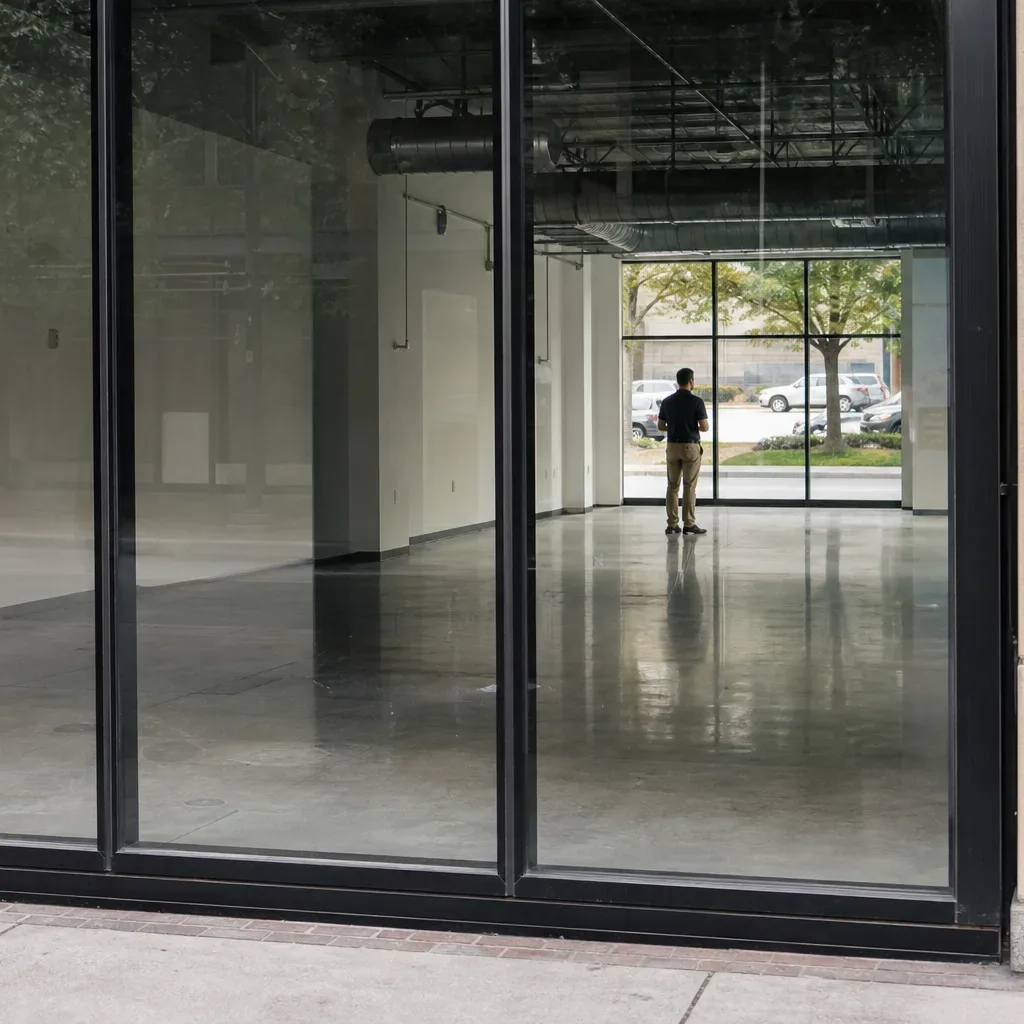
Retail space in a mixed-use base is almost always leased on a Triple Net basis, meaning the tenant pays base rent plus property taxes, insurance, and maintenance costs separately. Office floors in Austin's newer mixed-use projects typically carry full-service gross leases, where the tenant pays a single all-inclusive rate and the landlord absorbs operating expenses. Residential leases are gross by nature. Investors evaluating a mixed-use asset need to model all three structures independently, because the net operating income arithmetic is different for each floor.
Examples of Mixed-Use Development in Austin
The Domain in North Austin is the most cited model. Anchored by Apple's regional campus and surrounded by retailers, restaurants, and several thousand apartment units, it demonstrates how corporate office demand and upscale retail reinforce each other. Rents along the Domain's main retail corridor have historically approached the upper end of Austin's $25–$55 per square foot range, with some premium spaces exceeding it.
East Sixth Street offers a different scale. Adaptive reuse of older warehouse stock has produced projects where ground-floor food-and-beverage tenants occupy 2,000–5,000 square feet of NNN space while creative office occupies the second floor. These projects are smaller, faster to deliver, and typically target local operators rather than national credit tenants. South Congress between Oltorf and Mary streets has followed a similar pattern, with mixed-use infill replacing underutilized strip retail.
The Second Street District downtown and the Rainey Street corridor both reflect the highest-density end of the spectrum. High-rise residential towers with branded food-and-beverage on the ground floor and boutique hotel or office components mid-building are now the benchmark product type for urban core infill in Austin.
Key Corridors Seeing the Most Activity
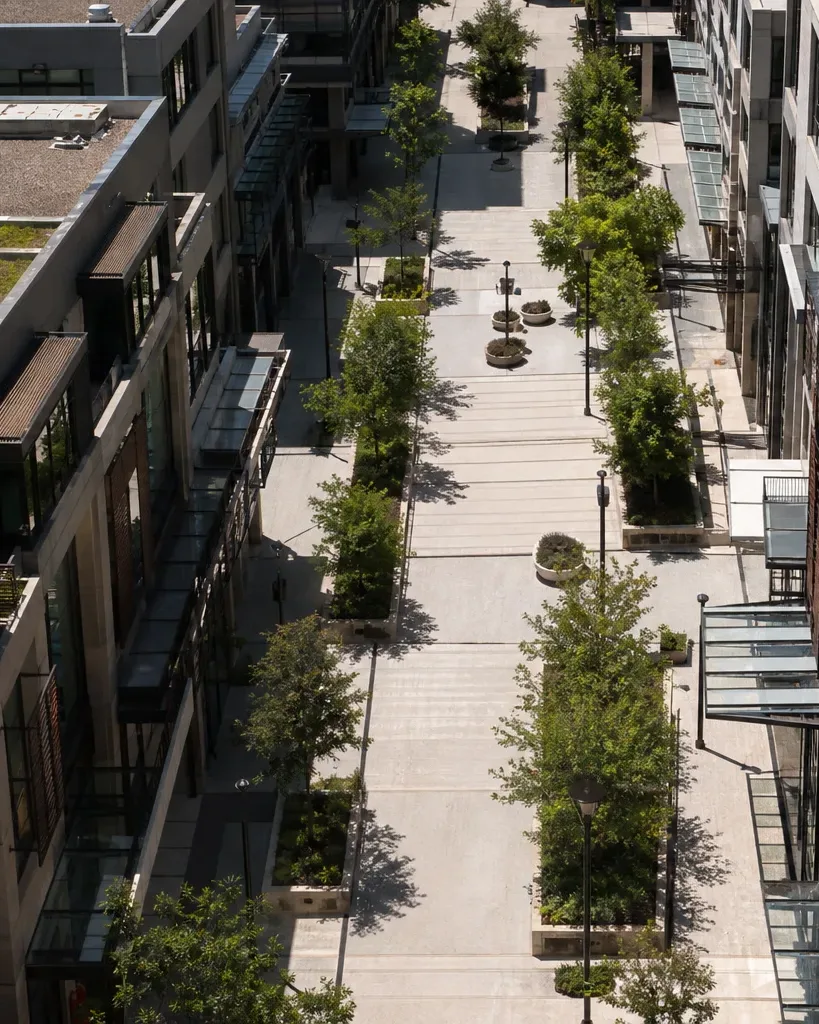
East Austin remains the highest-velocity submarket for new mixed-use permits, driven by land prices that are still below downtown levels and proximity to the urban core. The East 51st Street and Airport Boulevard intersection has attracted several mid-rise projects combining workforce housing with neighborhood retail. Mueller, the former Robert Mueller Municipal Airport site, continues to absorb demand as one of Austin's most mature planned mixed-use communities, with retail, office, and residential parcels still in active development.
The Domain's Phase II expansion northward into Pflugerville and the broader metro continues, though absorption timelines have stretched as remote work has moderated office demand. North Burnet/Gateway, designated as a regionally significant mixed-use corridor in Austin's planning documents, is receiving infrastructure investment that is bringing several larger projects through permitting. Round Rock and Cedar Park are also adding mixed-use nodes along their main commercial corridors as population growth has pulled demand northward.
Investment Considerations for Mixed-Use Assets
Due Diligence and Timelines
Mixed-use due diligence is more involved than single-use commercial review because you are effectively underwriting three asset classes at once. Standard commercial due diligence in Austin runs 30–60 days for most transactions, though complex mixed-use assets with multiple condominium regimes, shared operating agreements, and layered financing frequently require up to 90 days. Buyers should budget time for separate inspections of the mechanical systems serving each use, because retail HVAC loads, office server rooms, and residential units each have different profiles and replacement cycles.
Tenant mix analysis is critical. A mixed-use project where the ground-floor anchor is a national credit grocer performs very differently than one dependent on a single local restaurant. Vacancy in the retail base can suppress foot traffic that the residential underwriting assumed, which compresses renewal rates and affects the entire building's value.
Cap Rates and Return Expectations
Mixed-use assets in Austin generally trade at blended cap rates that sit between the multifamily and retail benchmarks. General commercial cap rates across Austin range from 5.0% to 7.5% depending on asset class and location, with office and retail trending toward the higher end and multifamily and industrial toward the lower end. A well-leased mixed-use project in a supply-constrained corridor, such as South Congress or the inner East Side, tends to price below the general commercial midpoint because buyers assign residential-quality cap rate compression to the upper floors.
Opportunity Zone designations in Eastern Travis County and parts of the urban core add a tax deferral layer that has made certain mixed-use sites more competitive for institutional capital. The program rules require investors to consult a qualified intermediary or tax counsel, but the geographic overlap with Austin's highest-activity mixed-use corridors is meaningful.
Zoning and Entitlement Factors
Austin's land development code allows Vertical Mixed-Use zoning as an overlay on many commercial base zones, and the city has historically approved density bonuses for projects that include affordable residential units. The Community Benefits Program and the Affordability Unlocked program both provide additional floor-to-area ratio in exchange for income-restricted units. These mechanisms make mixed-use financially viable at land prices that would otherwise make residential pencil only at luxury rent levels.
Entitlement timelines in Austin have historically run 12–24 months for projects requiring site plan approval and zoning changes. Projects already within a compatible base zone with a Vertical Mixed-Use overlay can move faster. Understanding which layer of approval applies to a specific site is one of the first tasks in any feasibility analysis, and it directly affects the return timeline that investors need to model.
Frequently Asked Questions
What Are Mixed-use Projects in Austin Texas?
Mixed-use projects in Austin Texas combine two or more property types, typically ground-floor retail on a triple net lease, office space on middle floors, and residential units above, within a single structure or planned development. Austin's Vertical Mixed-Use zoning overlay facilitates these projects by allowing increased density in exchange for ground-floor commercial activation. Corridors such as the Domain, East Sixth Street, and South Congress are home to some of the city's most active mixed-use development.
What Are Examples of Mixed-use Development in Austin?
The Domain in North Austin is the largest example, pairing major tech office users, national retail, restaurants, and thousands of apartment units in a walkable district. Mueller, the redeveloped former airport site, blends retail pads, office parcels, and for-sale residential. Smaller adaptive reuse projects along East Sixth Street and South Congress convert warehouse and strip retail stock into ground-floor restaurant or service retail with creative office on upper floors.
What Lease Types Are Used in Austin Mixed-use Buildings?
Ground-floor retail in Austin mixed-use projects is almost always structured as a Triple Net lease, where the tenant pays base rent plus property taxes, insurance, and maintenance separately. Office floors in newer buildings typically use full-service gross leases, meaning the tenant pays one all-in rate and the landlord covers operating costs. Residential units carry gross leases by standard practice. Investors need to model all three structures independently to arrive at accurate net operating income.
What Cap Rates Apply to Mixed-use Assets in Austin?
Mixed-use assets in Austin generally trade at blended cap rates between the multifamily and retail benchmarks. Austin multifamily cap rates currently run 4.5%–6.0%, while general commercial cap rates range from 5.0%–7.5% depending on asset class and location. Well-leased mixed-use projects in supply-constrained corridors like South Congress or the inner East Side tend to price closer to the lower end of that range because buyers apply near-residential cap rate logic to the stabilized upper-floor income.
How Long Does Due Diligence Take on a Mixed-use Property in Austin?
Standard commercial due diligence in Austin runs 30–60 days for most transactions. Mixed-use assets with multiple condominium regimes, shared operating agreements, or layered financing structures often require up to 90 days because buyers must underwrite retail, office, and residential components separately. Inspecting the mechanical systems serving each use adds time, since retail HVAC loads, office infrastructure, and residential systems all carry different replacement schedules and costs.