How to Find Commercial Office Space for Lease in Austin
Austin's office market spans roughly 60–70 million square feet across submarkets that perform very differently from one another. The CBD and Domain corridors command Class A rents of $45–$65 per square foot per year on a full-service gross basis, while suburban Class B space runs $28–$44 per square foot. Knowing those numbers before you contact a single landlord puts you in a stronger negotiating position from the first conversation.

Define Your Space Requirements Before You Search
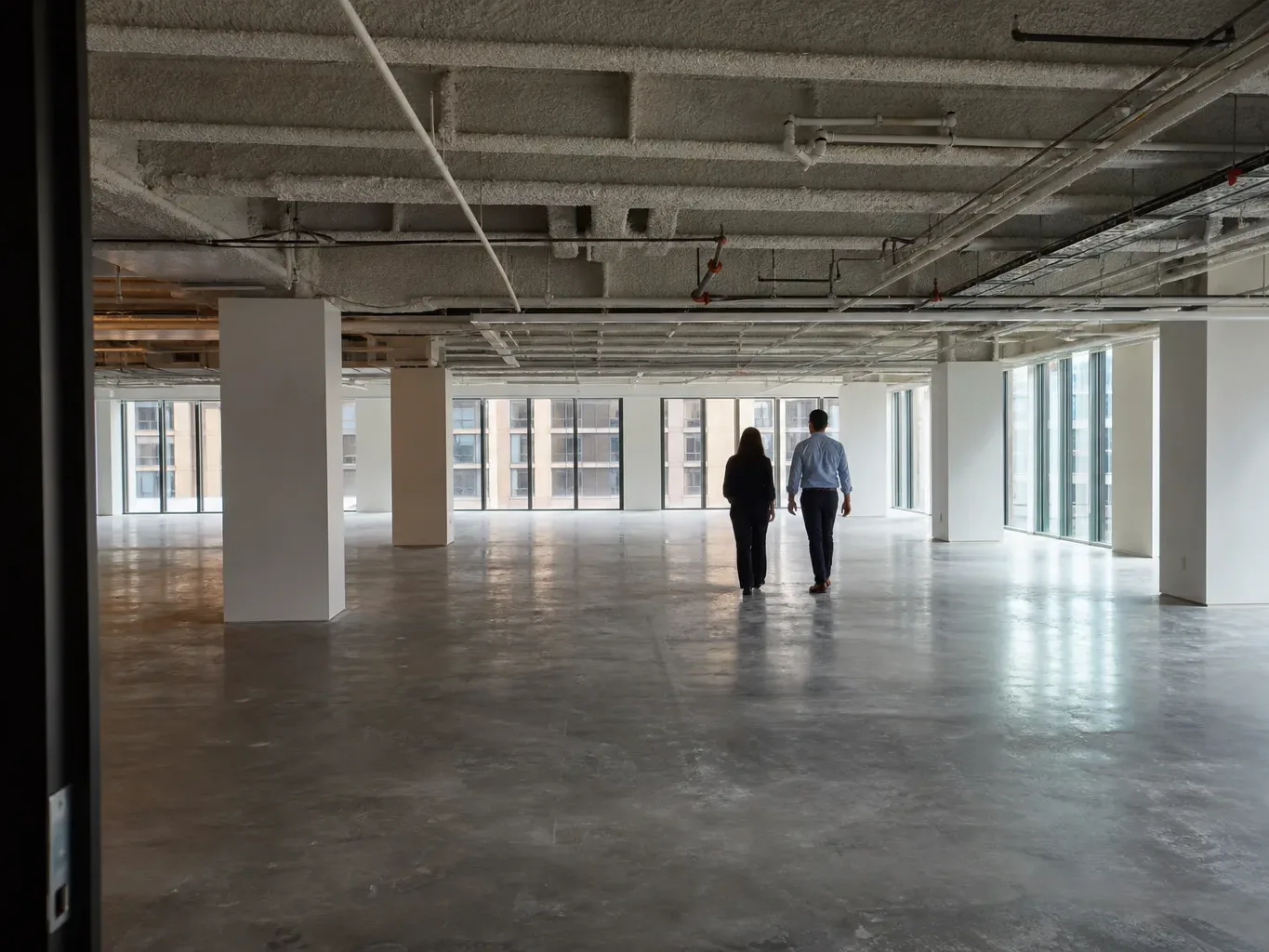
Start with headcount and growth projections. A standard planning benchmark is 150–200 square feet of usable space per employee, though open-plan environments can run closer to 100 square feet and executive-heavy firms often need 250 or more. Build in at least 12–18 months of projected hiring, because breaking a lease early in Austin typically costs three to six months of remaining rent.
Identify the non-negotiable requirements: minimum contiguous square footage, parking ratio, fiber availability, and any specialized infrastructure such as server rooms or training facilities. Write these down as hard filters, not preferences. They will cut your search universe significantly and save time for both you and any broker you engage.
Understand Austin's Office Submarkets
Austin's metro office vacancy sits at roughly 20–25% across all classes, but that aggregate figure masks wide variation. The CBD carries elevated vacancy driven by sublease supply from tech tenants that expanded aggressively and later contracted. Suburban nodes like the Domain, Cedar Park, and Southwest Austin show tighter availability in well-amenitized Class A product.
CBD and Downtown
Downtown Austin offers walkable amenity density, proximity to government tenants, and strong talent recruitment appeal. Rents reflect that demand. Full-service gross leases here often include operating expense stops, meaning tenants absorb cost increases above a base year, so model your total occupancy cost over the full term rather than just the face rate.
The Domain and North Austin
The Domain submarket functions as a second downtown for many tech companies. Apple, Google, and Meta have established significant Austin presences in this corridor, creating a dense professional ecosystem. Landlords here are competitive on tenant improvement allowances because vacancy has softened since 2023.
East Austin and Emerging Corridors
East Austin attracts creative and media tenants willing to trade raw finishes for lower occupancy costs and proximity to residential density. Some parcels in Eastern Travis County fall within federally designated Opportunity Zones, which can affect investor-side deal structures on buildings you might be evaluating as an owner-occupant.
Work with a Tenant Representative Broker
A tenant rep broker is compensated by the landlord through a commission split, meaning you pay nothing directly for the service. That structure creates an incentive problem only if the broker represents both sides, so confirm exclusivity upfront. Austin has active offices for CBRE, JLL, Cushman and Wakefield, and several independent boutique firms that specialize in local submarkets.
Provide your broker a written brief covering square footage range, target submarkets, lease term flexibility, and any hard move-in date. A clear brief produces a tighter shortlist. Vague instructions produce a broad tour schedule that burns executive time.
Evaluate Listings and Tour Properties
Request rent comparables, not just asking rates. In a market with 20–25% vacancy, landlords are often willing to negotiate free rent periods of three to six months, generous tenant improvement allowances, or above-standard parking ratios. Those concessions can be worth more than a small reduction in face rent, especially on a five-year term.
What to Assess on a Tour
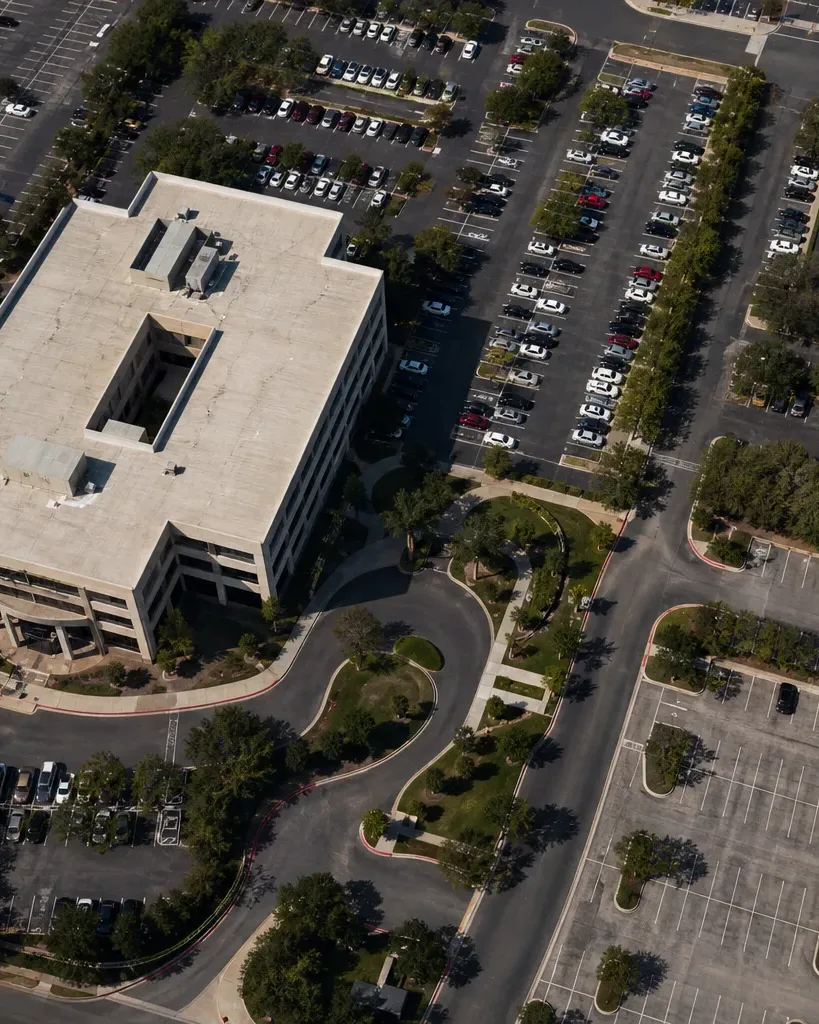
Walk the floor at peak occupancy hours if the building is multi-tenant. Note HVAC coverage, elevator count relative to building size, loading dock access if you move equipment, and the condition of restrooms and common corridors. Class B buildings often offer better price-to-quality ratios than their label suggests if they have been recently renovated.
Ask the landlord for a three-year operating expense history. Rising expense pass-throughs in a triple net or modified gross structure can erode the benefit of a low base rent within 24 months. This is especially relevant for older Class B and Class C product where deferred maintenance shows up in the expense ledger.

Understand Austin Lease Structures
Three lease types dominate Austin's commercial office market. Under a gross lease, you pay a single all-inclusive rent and the landlord covers taxes, insurance, and most operating expenses. A triple net (NNN) lease requires you to pay base rent plus property taxes, insurance, and maintenance costs separately. A modified gross lease falls in between, with tenant and landlord splitting operating expenses under negotiated terms.
Class A downtown and Domain buildings typically quote full-service gross with a base year stop. Class C suburban buildings often quote NNN, which means comparing them to gross-quoted alternatives requires converting to a total occupancy cost. Ask every landlord to provide an estimated annual operating expense figure per square foot so you can model apples-to-apples.
Navigate the Letter of Intent and Due Diligence
Once you identify a target space, submit a Letter of Intent (LOI) covering the key business terms: square footage, base rent, annual escalations, tenant improvement allowance, lease term, renewal options, and any expansion rights. LOIs are not binding on the material lease terms, but landlords treat them as a serious signal of intent.
Most Austin commercial transactions carry a 30–60 day due diligence period after the lease is fully executed. Use that window to conduct a building condition review, confirm building code compliance for your intended use, and have legal counsel review the lease draft. Larger transactions with complex buildouts sometimes require up to 90 days.
Time Your Search to Market Conditions
With metro-wide vacancy at 20–25%, the current environment favors tenants. Landlords who have held vacant space for more than 12 months are often more flexible on creative deal structures: step-up rent schedules that start low and escalate, landlord-funded furniture or cabling contributions, or co-terminus renewal options tied to adjacent spaces.
That flexibility is not infinite. Spaces in the 3,000–8,000 square foot range in the Domain and Southwest Austin submarkets still move quickly because small-to-midsize tenants generate steady demand. If you fall in that size range, plan for a 60–90 day search timeline from requirements brief to signed lease. Larger blocks of 20,000 square feet or more give you more time and more leverage, but also require earlier engagement with your broker to map available inventory accurately.
Frequently Asked Questions
Retail Commercial Space for Lease in Austin TX
Retail space in Austin leases for roughly $25–$55 per square foot per year on a NNN basis across most submarkets, with high-demand corridors like South Congress and the Domain often exceeding that range. Under a triple net lease, tenants pay base rent plus property taxes, insurance, and maintenance costs separately. Availability is tighter in walkable mixed-use nodes than in suburban strip centers, so engaging a local tenant rep broker with retail experience is the fastest way to identify current opportunities before they are widely listed.
Office Space Vacancy Austin TX Current
Austin's metro-wide office vacancy is running at roughly 20–25% across all classes. That elevated rate reflects post-pandemic contraction by tech tenants and a significant sublease overhang, particularly in the CBD. Vacancy varies widely by submarket and building class: well-amenitized Class A product in the Domain and Southwest Austin corridors competes differently than commodity Class B space in older suburban nodes. Pulling submarket-level data from CBRE, JLL, or CoStar gives you the most current picture before making location decisions.
How to Lease Commercial Space in Austin TX
Start by defining your square footage needs, preferred submarket, required lease term, and any hard move-in date. Engage a tenant representative broker, who is paid by the landlord and owes you fiduciary-style representation at no direct cost to you. After touring shortlisted properties, submit a Letter of Intent covering rent, tenant improvement allowance, term length, and renewal options. Once the LOI is agreed, expect a 30–60 day period to finalize lease documents, complete building due diligence, and have legal counsel review the full lease draft.
Office Space for Lease Austin TX
Austin offers office space across all classes in submarkets ranging from the CBD and Domain to Cedar Park, Round Rock, and Southwest Austin. Class A space runs $45–$65 per square foot per year on a full-service gross basis; Class B runs $28–$44 per square foot. With metro-wide vacancy at 20–25%, tenants currently have room to negotiate free rent periods, elevated tenant improvement allowances, and favorable escalation schedules, especially on blocks of space that have sat vacant for more than 12 months.
Office Buildings for Lease Austin
Austin's office inventory covers approximately 60–70 million square feet metro-wide, spread across CBD towers, suburban campuses, and mixed-use projects in nodes like the Domain and East Austin. Many multi-story office buildings are available for full-floor or multi-floor leases, with some landlords offering spec suites that allow faster occupancy without a lengthy buildout. Buildings in submarkets with higher vacancy are more likely to offer significant tenant improvement allowances and flexible lease structures to secure creditworthy tenants.