Understanding Commercial Lease Types in Austin - NNN, Gross, and Modified Gross

How a lease is structured determines far more than your monthly rent check. The lease type dictates who pays property taxes, who absorbs a leaky roof repair, and how predictable your occupancy costs will be over a five-year term. Austin's commercial market currently offers all three major structures, and choosing the wrong one for your business can meaningfully distort your real estate budget.
The Three Core Lease Structures
Every commercial lease in Austin falls into one of three categories, or a hybrid of them. Understanding the mechanics of each is the foundation of any lease negotiation.
Triple Net (NNN) Leases
Under a Triple Net lease, the tenant pays a base rent plus three separate expense layers: property taxes, property insurance, and maintenance and operating costs. The landlord collects base rent and passes virtually all building-related costs directly to the tenant. This structure is the dominant format in Austin's retail and industrial sectors.
Austin industrial and warehouse space is currently priced at $10–$18 per square foot per year on an NNN basis, with flex space trending toward the higher end of that range. Retail corridors run $25–$55 per square foot per year NNN, though high-demand areas like South Congress and the Domain frequently exceed that ceiling. Those base figures do not include taxes, insurance, and common area maintenance, which can add material cost depending on the property's age, size, and management quality.
The appeal of NNN leases for landlords is transparency and predictability: they are not exposed to rising operating costs. Tenants in well-maintained properties with controlled expense histories can actually benefit from the structure too, particularly if they negotiate annual caps on controllable expenses.
Gross Leases
A gross lease operates on a single all-inclusive rent figure. The landlord covers property taxes, insurance, and most operating expenses from that rent. The tenant writes one check and faces no variable expense surprises mid-year.
This structure appears most often in Austin's Class B and Class C office submarkets. Class B office space runs $28–$44 per square foot annually, while Class C space is typically $18–$27 per square foot, often structured as NNN but sometimes quoted gross depending on the landlord. Gross leases shift operating risk to the landlord, which is why the base rent is generally set higher than a comparable NNN rate to account for that exposure.
For businesses prioritizing budget certainty, a gross lease is often the cleaner choice. Finance teams can model occupancy cost without building in an annual true-up estimate.
Modified Gross Leases
A modified gross lease sits between the two structures. Tenant and landlord split operating expenses under negotiated terms, with the specific division varying deal to deal. A common arrangement has the tenant paying base rent plus utilities and janitorial, while the landlord absorbs taxes, insurance, and structural maintenance.
This structure is particularly common in Austin's multi-tenant office buildings, where landlords want to recover some variable costs but tenants resist full NNN exposure. Class A office space, which runs $45–$65 per square foot annually across the metro with CBD and Domain properties skewing to the top of that range, is frequently leased on a modified gross or full-service gross basis. The negotiation centers on exactly which line items transfer to the tenant and under what escalation schedule.
Gross Lease vs NNN Lease Austin - Which Costs More?
Neither structure is inherently more expensive; the total occupancy cost depends on the base rent, the expense load, and the property's operating efficiency. A gross lease at $40 per square foot may cost less than an NNN lease at $32 per square foot once you add $10–$12 in annual NNN expenses on an older property. Tenants comparing options across lease types should always convert everything to a total annual cost per square foot before signing.
The comparison becomes especially important when evaluating Austin's office vacancy landscape. With metro-wide office vacancy sitting at roughly 20–25%, tenants have real negotiating leverage. Landlords in softer submarkets are often willing to convert a listed NNN rate to a modified gross structure, or to offer expense stop provisions that cap tenant liability.
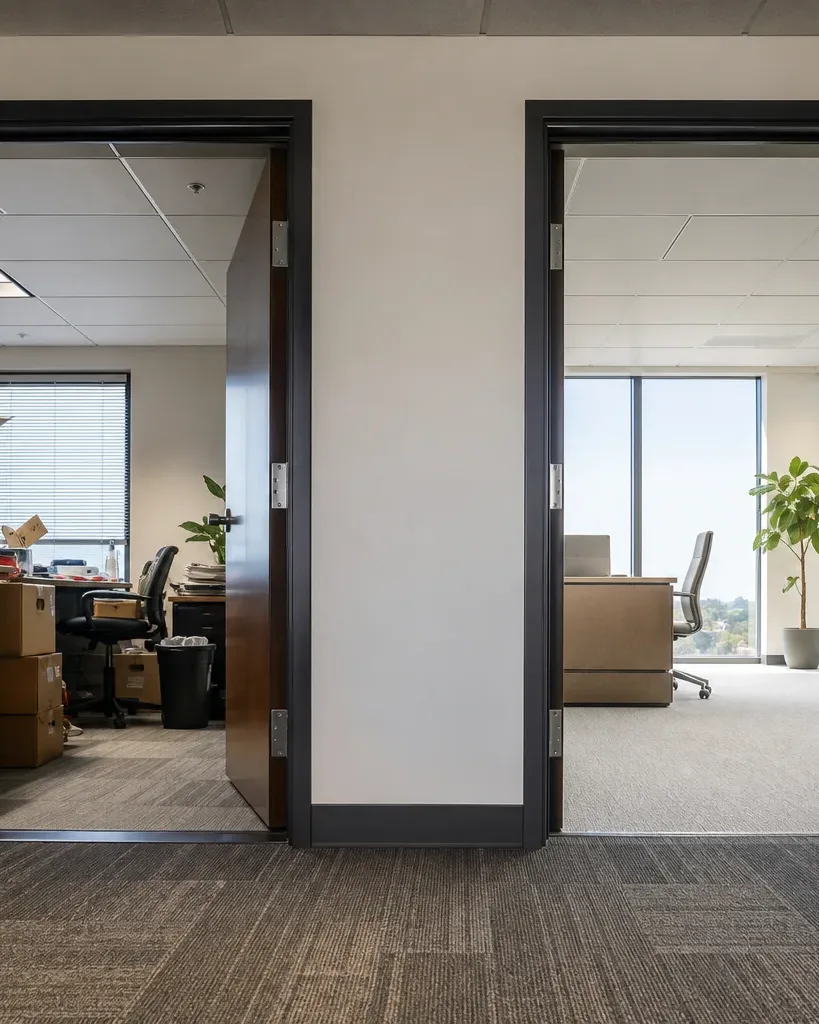
Commercial Lease Types Austin Texas - How Submarkets Affect Structure
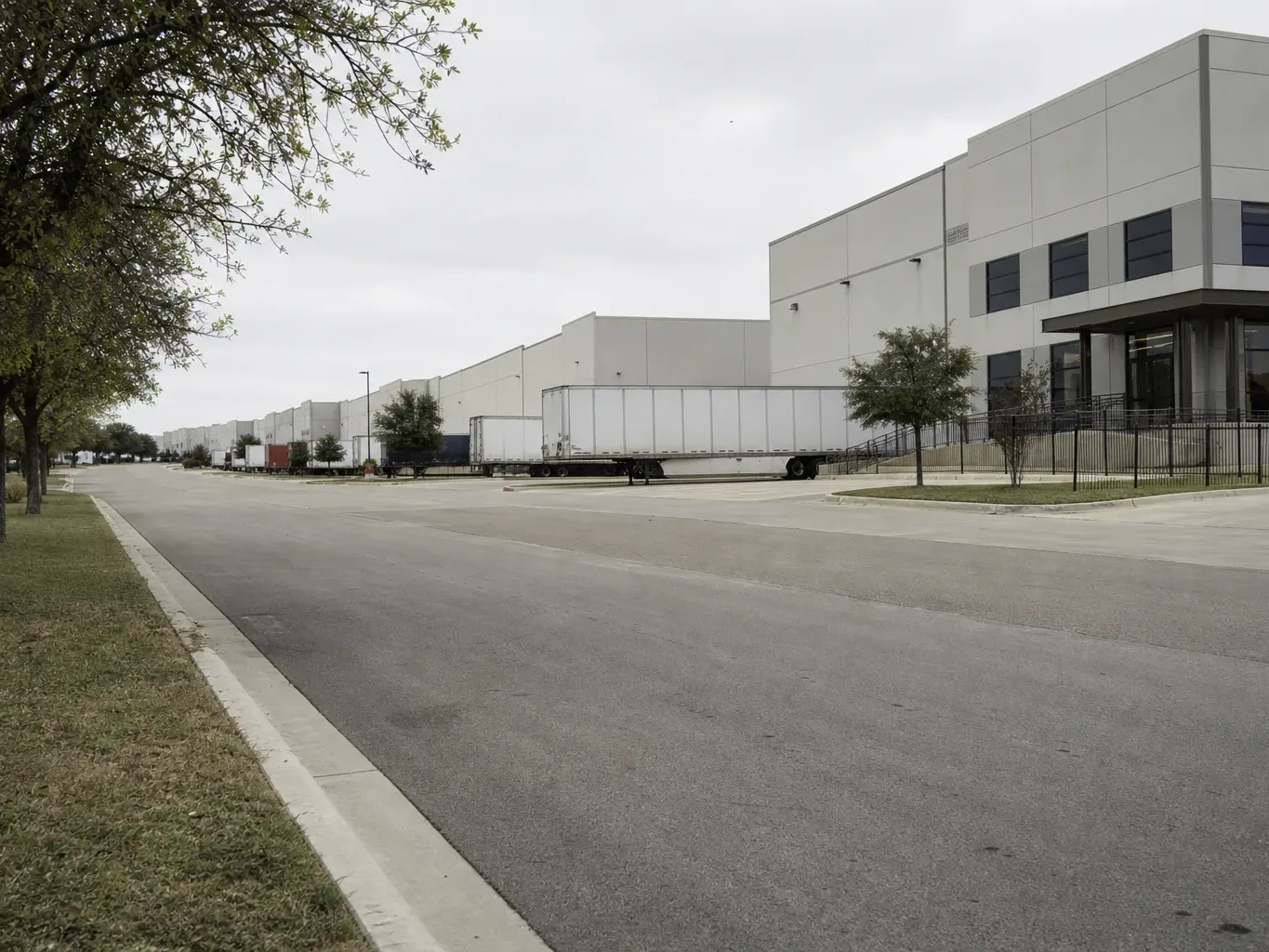
The lease structure you are most likely to encounter in Austin depends heavily on which submarket and asset class you are targeting. Industrial tenants in the northeast and southeast corridors near Highway 130 will almost universally deal with NNN structures. Retail tenants in mixed-use developments along North Lamar or Mueller should expect NNN with CAM reconciliations. Office tenants in suburban nodes like the Domain, Arboretum, or Southwest Austin often see modified gross or full-service gross options, especially in Class A product.
This is not just convention; it reflects how institutional owners underwrite assets. A REIT-owned industrial park near the Tesla Gigafactory corridor is not going to offer a gross lease. A local owner-operator with a 40,000-square-foot suburban office building in Cedar Park may negotiate almost any structure to fill space.
Key Lease Terms That Affect Total Cost
Beyond the base structure, several lease provisions directly affect how much you actually pay over the term.
Expense Stops
An expense stop is a dollar-per-square-foot threshold below which the landlord covers all operating expenses. Costs above that threshold pass through to the tenant. This device is common in modified gross leases and shifts the risk of rising costs to tenants once the stop is exceeded.
CAM Reconciliations
Common Area Maintenance charges in NNN leases are typically estimated monthly and reconciled annually. If actual expenses exceed estimates, the tenant owes the difference. Negotiating a cap on annual increases to controllable CAM expenses is a standard protection. The specific percentage cap is a deal point negotiated between the parties and should be clearly defined in the lease document itself.
Rent Escalation Clauses
Most Austin commercial leases include annual rent bumps, often stated as a fixed percentage or tied to CPI. In a high-inflation environment, fixed-percentage escalators can actually protect tenants. A lease signed at a fixed 3% annual escalator in a submarket where rents are rising faster than that is a meaningful advantage over the full term.
Personal Guarantees
Landlords in Austin, particularly those leasing to early-stage companies or small businesses, frequently require personal guarantees. The term and structure of that guarantee is negotiable. A one-year guarantee on a five-year lease is a materially different risk than a full-term guarantee, and the difference is worth negotiating hard for.
Choosing the Right Structure for Your Business
Operating expense predictability matters most for businesses running thin margins or rapid growth phases. Those businesses should prioritize gross or modified gross structures even if the quoted rate appears higher. Stable businesses with experienced facility managers can often manage an NNN lease to their advantage, particularly if the property has a documented expense history that allows accurate underwriting.
Before finalizing any Austin commercial lease, request three years of actual operating expense statements from the landlord. That data, more than any quoted base rate, tells you what your true occupancy cost will look like.
Frequently Asked Questions
Gross Lease vs NNN Lease Austin - Which Is Better for a Tenant?
Neither is universally better. A gross lease offers cost predictability because the landlord covers taxes, insurance, and most operating expenses within a single rent figure. An NNN lease passes those costs to the tenant separately, so total occupancy cost depends on the property's actual expense load. In Austin's current market, where office vacancy sits at roughly 20–25%, tenants have leverage to negotiate expense protections on NNN leases or push for modified gross structures, narrowing the practical difference between the two.
What Commercial Lease Types Austin Texas Tenants Encounter Most Often?
Austin tenants will most commonly encounter Triple Net (NNN) leases in retail and industrial properties, full-service gross or modified gross leases in Class A office buildings, and a mix of structures in Class B and Class C office space. Industrial and warehouse properties across the metro are almost exclusively quoted NNN at $10–$18 per square foot per year. High-demand retail corridors like South Congress and the Domain are also predominantly NNN, with base rents typically in the $25–$55 per square foot per year range before operating expenses.
What Is Included in NNN Expenses on an Austin Commercial Lease?
Under a Triple Net (NNN) lease, the tenant pays base rent plus property taxes, property insurance, and maintenance and operating costs separately. In multi-tenant buildings, operating costs typically include common area maintenance (CAM), landscaping, parking lot upkeep, and property management fees. The specific expenses and how they are allocated should be defined precisely in the lease, and tenants should request historical expense statements before signing to understand what the NNN load has actually been.
Can You Negotiate CAM Caps in Austin NNN Leases?
Yes, CAM caps are a standard negotiating point in Austin NNN leases and are regularly granted in the current market, particularly in office and retail properties with higher vacancy. A cap limits how much controllable CAM expenses can increase year over year. The specific cap percentage is a deal point negotiated between tenant and landlord and should be clearly defined in the lease document. Tenants should also confirm which expense categories count as controllable versus non-controllable, since taxes and insurance are typically excluded from any cap.
How Does Lease Structure Affect Total Occupancy Cost in Austin?
Lease structure determines which party absorbs operating expenses, which directly changes the total amount a tenant pays annually. An NNN lease with a lower quoted base rent can easily exceed the all-in cost of a gross lease once taxes, insurance, and CAM are added, especially on older properties with higher maintenance costs. Tenants should always convert competing lease options to a total annual cost per square foot, including all pass-through expenses, before comparing offers across different lease structures or Austin submarkets.