Retail Commercial Space in Austin TX - Strip Centers, Anchored Centers, and Mixed-Use
Austin's retail real estate market runs on three dominant formats, each serving a different tenant profile, trade area, and investment thesis. Understanding how strip centers, anchored centers, and mixed-use projects behave in this specific market shapes every leasing and acquisition decision you make here.
Strip Centers - the Workhorses of Austin's Neighborhood Retail
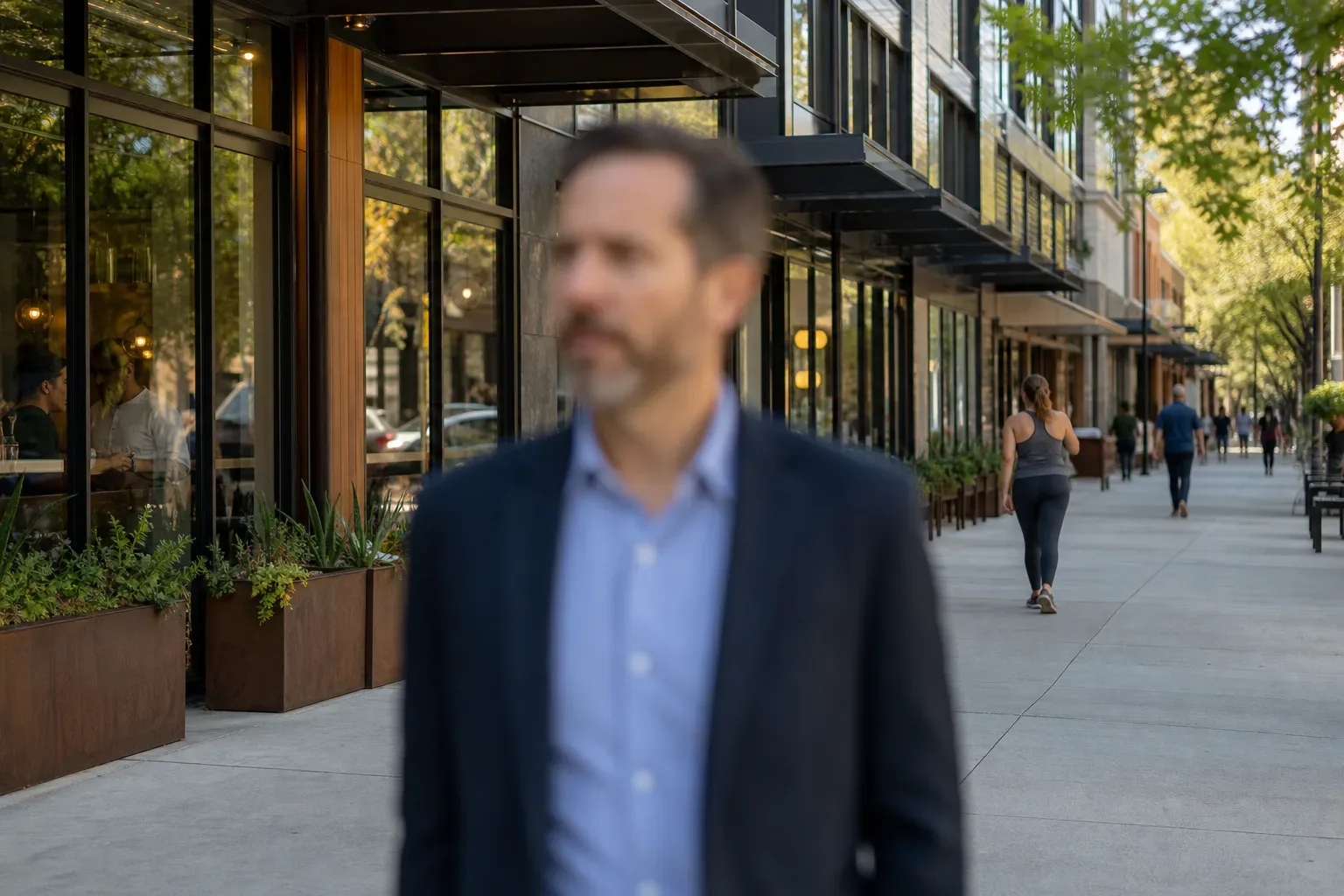
Strip centers are small, inline configurations of 5,000–30,000 sq ft without a major grocery or department store anchor. They perform best in Austin's dense inner-ring neighborhoods, where walkable foot traffic supplements drive-by visibility. South Lamar, North Loop, and Rundberg Lane corridors each support multiple functioning strip centers with tenant mixes ranging from nail salons and quick-service restaurants to specialty fitness studios.
For tenants, strip centers offer lower build-out costs and faster occupancy timelines than enclosed malls or large-format boxes. Lease structures are typically Triple Net (NNN), meaning the tenant pays base rent plus property taxes, insurance, and maintenance costs separately. Landlords often prefer this arrangement in Austin because it transfers rising operational costs directly to tenants in a market where property taxes have climbed steadily.
Investors targeting strip centers in Austin should expect cap rates in the 5.5%–7.5% range depending on tenant credit quality and location. A center anchored by a regional credit tenant, even at smaller scale, compresses that cap rate meaningfully.

Anchored Centers - Grocers, Discounters, and Destination Traffic
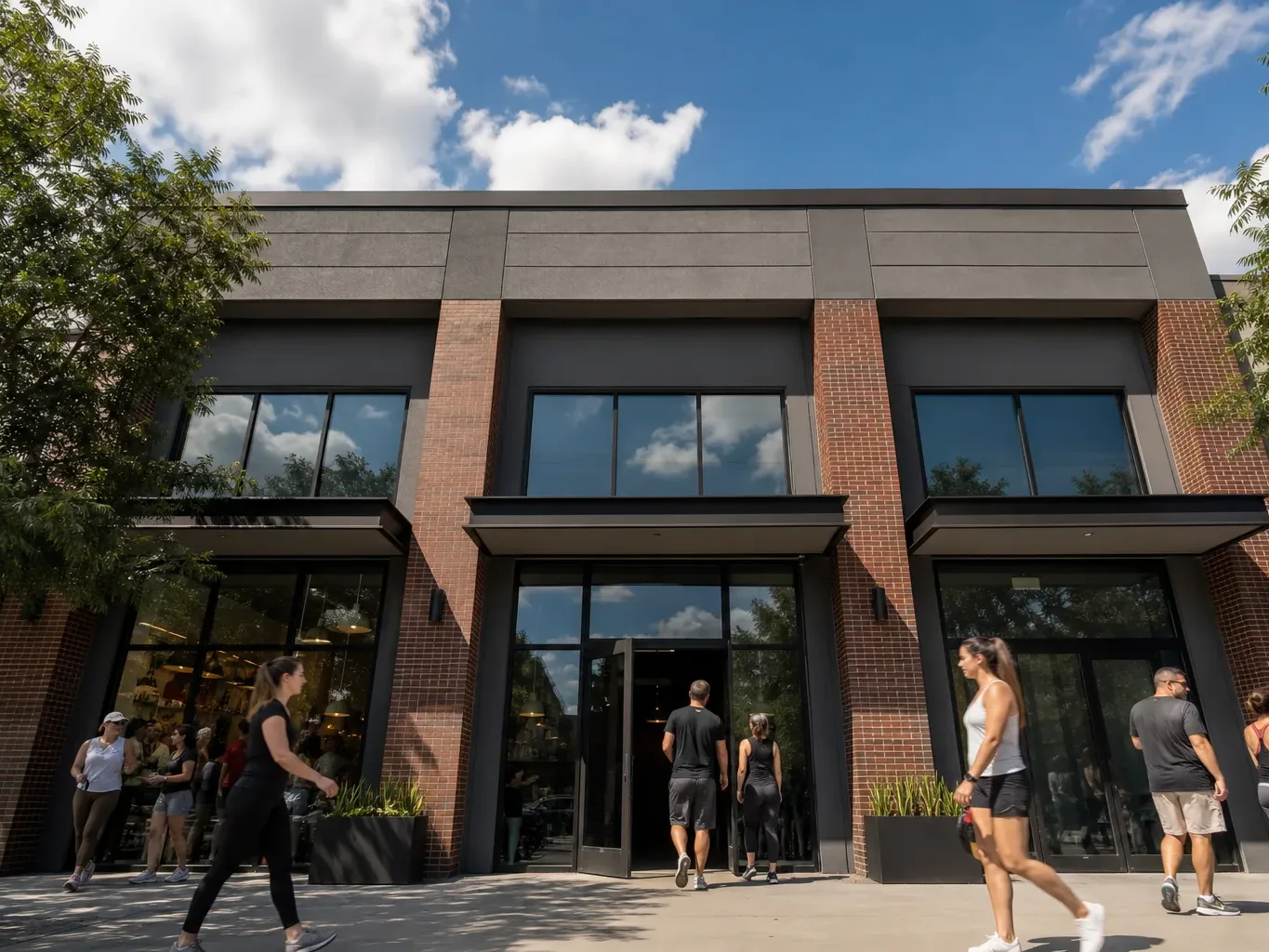
Anchored centers use a high-traffic draw, usually a grocery store, pharmacy chain, or discount retailer, to generate consistent foot traffic for smaller inline tenants. Kroger, H-E-B, Target, and Sprouts each anchor multiple Austin-area centers. H-E-B in particular is considered a best-in-class anchor nationally, and its Austin presence across the metro creates reliable co-tenancy value.
Why Anchor Tenants Matter to Inline Retailers
Anchor tenants reduce your customer acquisition cost by sharing their foot traffic with adjacent tenants. A bakery or dry cleaner next to a high-volume H-E-B benefits from thousands of weekly grocery trips, without paying for those eyeballs directly. This co-tenancy dynamic is why inline rents at anchored centers often justify a premium over strip center rates.
Retail rents at anchored Austin centers typically fall in the $28–$45 per sq ft per year range on an NNN basis for inline spaces, though high-demand corridors like the Domain and South Congress can push rates higher. End-cap spaces and outparcels command premiums because of their standalone visibility and dedicated access.
Lease Terms and Co-Tenancy Clauses
Long-term leases of 5–10 years are standard in anchored centers, often with options to renew. Inline tenants should negotiate co-tenancy clauses that allow rent reductions or early termination rights if a named anchor closes or occupancy drops below a defined threshold. Austin saw several co-tenancy clause activations during 2020–2022 when big-box vacancies rippled through suburban centers, so this protection carries genuine practical value.
Mixed-Use Retail Space in Austin
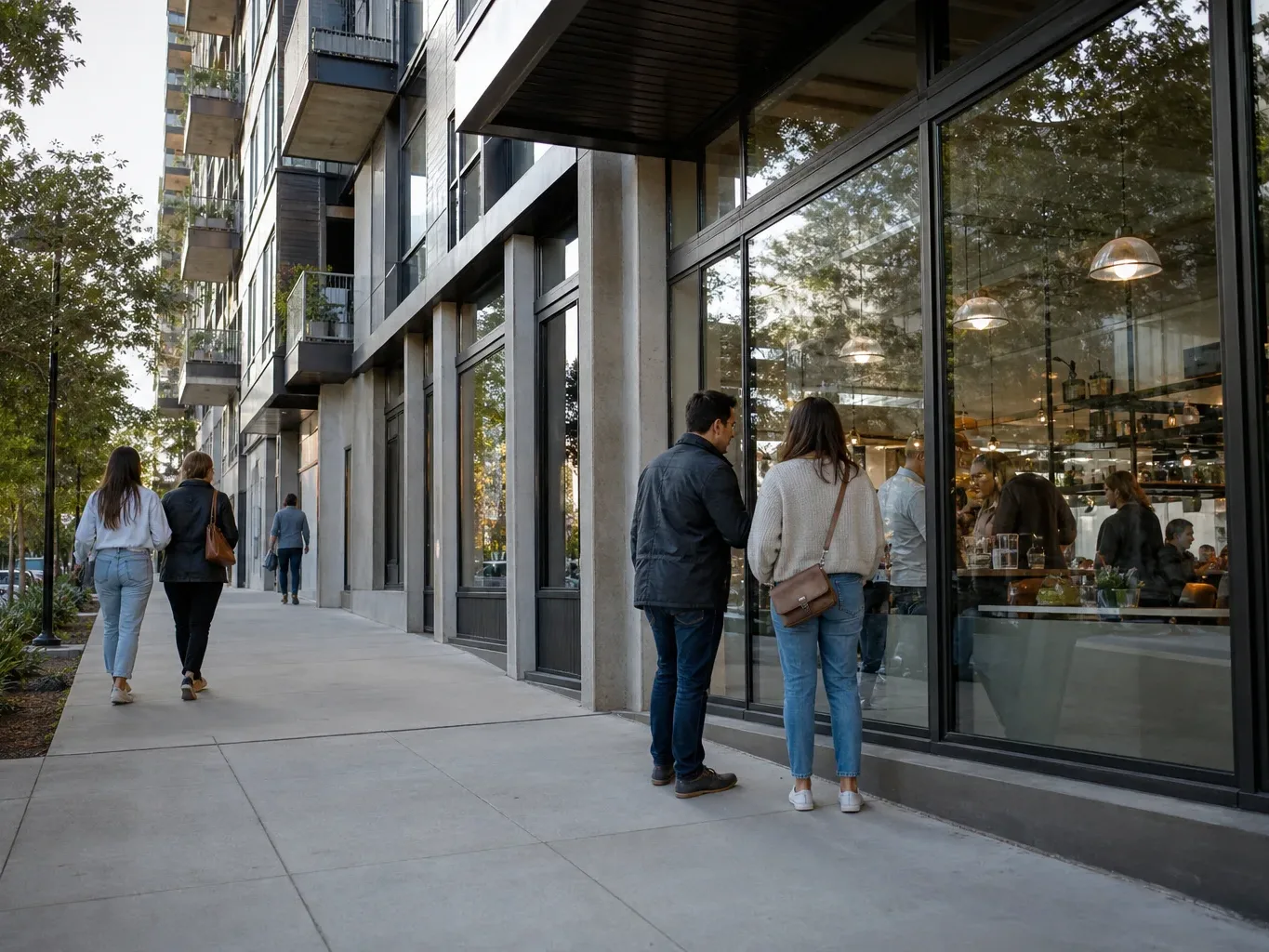
Mixed-use development places ground-floor retail beneath office, residential, or hotel uses in the same building or project. This format has become dominant in Central Austin, particularly in the 78701 and 78702 zip codes and along corridors like East 6th, South Congress, and the 2nd Street District. The rationale is simple: residential density feeds consistent daytime and evening foot traffic, and retail operators benefit from a built-in customer base within the same address.
How Mixed-Use Differs as a Lease Structure
Mixed-use retail leases often carry a modified gross or hybrid NNN structure, where specific shared operating costs such as common area maintenance for vertical elements are negotiated separately from standard NNN passthroughs. Tenants should clarify exactly which expenses pass through, because vertical mixed-use buildings introduce mechanical, elevator, and lobby maintenance costs that flat strip centers never generate.
Rents at premium mixed-use nodes in Austin, specifically those on South Congress and in the Domain, regularly exceed the $45–$55 per sq ft NNN range for ground-floor retail. Restaurateurs and experiential retailers target these locations because residential density and tourist traffic combine in a way that pure suburban centers cannot replicate.
Mixed-Use as an Investment Vehicle
For buyers, mixed-use projects offer diversified income streams. A building that collects retail rent on the ground floor and residential income above it dampens the vacancy risk inherent in any single asset class. Austin's apartment occupancy rates and the metro's population of approximately 2.3 million support strong residential absorption, which in turn stabilizes mixed-use retail income. Multifamily cap rates in the Austin metro currently run 4.5%–6.0%, and blended mixed-use cap rates tend to fall near the lower end of the broader 5.0%–7.5% commercial range when the residential component is stabilized.
Choosing the Right Format for Your Business or Portfolio
The right format depends on your specific use case. A quick-service restaurant brand prioritizing speed of transaction and parking density fits a strip center or anchored outparcel. A boutique retailer chasing an affluent, walkable demographic belongs in a mixed-use node like South Congress or the 2nd Street District. A value retailer needing 3,000–6,000 sq ft of affordable inline space with predictable foot traffic belongs in an anchored community center near a grocery anchor.
Investors should layer in submarket-specific vacancy data before committing. Austin's overall commercial market carries roughly 20–25% office vacancy, but retail vacancy metrics diverge sharply by format and location. Grocery-anchored centers in established neighborhoods perform markedly better than power centers dependent on big-box anchors with uncertain long-term retail viability.
Austin Submarkets with Active Retail Demand
The Domain in North Austin functions as a second downtown, with street-level retail occupancy driven by the surrounding residential density and office campus tenants from Apple, Google, and Meta. East Austin, particularly the East 6th and Cesar Chavez corridors, has sustained strong absorption from food and beverage, fitness, and specialty retail operators. South Congress remains one of the tightest corridors in the city for ground-floor retail, with very low vacancy and rents that consistently test the upper bound of market ranges.
Round Rock, Cedar Park, and Pflugerville support large-format anchored centers that serve suburban household density. These submarkets tend to offer more competitive rental rates and longer landlord concession packages for creditworthy tenants taking multi-year leases. Due diligence periods on Austin retail acquisitions typically run 30–60 days, with larger or more complex properties occasionally stretching to 90 days to allow for proper environmental review, title work, and tenant estoppel collection.

Frequently Asked Questions
How Much Is Retail Space in Austin TX?
Retail rents in Austin TX generally range from $25–$55 per sq ft per year on a NNN basis, meaning tenants pay base rent plus property taxes, insurance, and maintenance separately. High-demand corridors like South Congress and the Domain regularly exceed the upper end of that range. Strip center inline spaces and suburban anchored center spaces tend to sit toward the lower half, while premium mixed-use ground-floor retail in Central Austin sits at the higher end.
What Is Mixed-use Property Austin Commercial?
A mixed-use commercial property in Austin combines ground-floor retail with upper-floor uses such as apartments, offices, or hotels within the same project. Common examples include developments along South Congress, East 6th Street, and the 2nd Street District. These properties offer retail tenants built-in foot traffic from residential or office users above, while investors benefit from diversified income streams. Lease structures in mixed-use buildings often involve negotiated cost-sharing for shared vertical building elements like elevators and lobbies.
What Is the Difference Between a Strip Center and an Anchored Center?
A strip center is a small, inline retail building of roughly 5,000–30,000 sq ft with no major anchor tenant. An anchored center uses a high-traffic draw, typically a grocery store, pharmacy, or discount retailer, to generate consistent foot traffic for smaller inline tenants. Anchored centers generally command higher inline rents and attract more creditworthy tenants because of the predictable customer volume the anchor provides.
What Lease Type Is Most Common for Austin Retail Space?
Triple Net (NNN) leases are the most common structure for retail commercial space in Austin. Under a NNN lease, the tenant pays base rent plus property taxes, insurance, and maintenance costs separately. This contrasts with a gross lease, where the landlord covers those operating expenses within a single all-inclusive rent. Some mixed-use retail spaces use a modified gross structure where specific shared expenses are negotiated between landlord and tenant.
Which Austin Submarkets Have the Strongest Retail Demand Right Now?
South Congress, East Austin along East 6th Street and Cesar Chavez, and the Domain in North Austin show consistently strong retail absorption. The Domain benefits from proximity to major tech employers including Apple, Google, and Meta, plus dense surrounding residential development. South Congress carries some of the lowest vacancy rates in the city for ground-floor retail. Suburban submarkets like Round Rock, Cedar Park, and Pflugerville offer more competitive rents and landlord concession packages for tenants willing to commit to multi-year leases.